
Vegan Weight Loss: 7 Proven Tips for the Best Vegan Diet for Weight Loss (2026)


The best vegan diet for weight loss is basically a high-fiber, high-protein, minimally processed plant-based setup that keeps you full while keeping calories in check. Honestly, if you’re chasing vegan weight loss, you can’t rely on vibes alone. In my case, the best results showed up when I anchored meals around legumes, tofu/tempeh, veggies, fruit, and smart fats, then tracked portions for 10–14 days to calibrate.
Also, I’m gonna be honest: I used to think “vegan” automatically meant “healthy.” Yeah, no. Once, I gained weight eating plant-based because I lived on peanut butter pretzels and fancy oat lattes. So if you’re here because you want results—not vibes—keep reading.
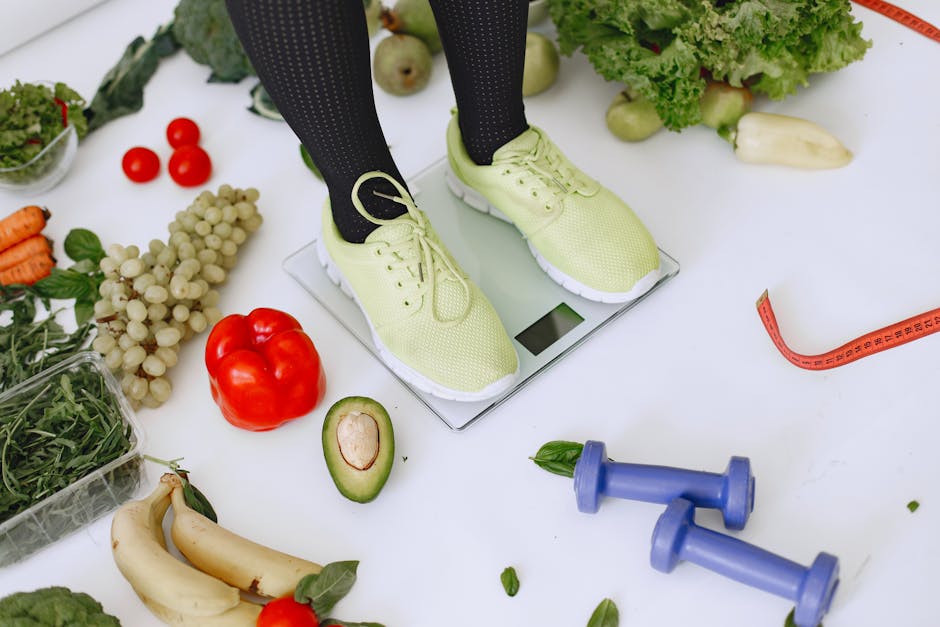
I know a food scale sounds obsessive. It isn’t. I used one for 23 days straight, and it fixed my “oops that was a serving?” problem in a week. Plus, if you’re using calorie targets, eyeballing tahini is basically self-sabotage.
Quick note: I’m not your doctor.
If you’re pregnant, managing diabetes, dealing with an eating disorder history, or on meds that affect appetite, please loop in a clinician or registered dietitian first. Honestly, I might be wrong here, but most people skip that step and regret it.
Vegan weight loss: how it works (without the fluff)
Featured-snippet answer: Vegan weight loss works when you create a consistent calorie deficit while keeping protein high and meals high-volume (fiber + water-rich foods). So, build each meal around a protein, add plenty of non-starchy vegetables, keep fats measured, and track progress with weekly averages.
Thing is, weight loss still comes down to energy balance, even if you’re eating lentils and kale. However, a plant-based approach can make that easier because fiber and water-rich foods add volume without stacking calories. In my experience, the “magic” is really: protein + fiber + routine.
- Fiber slows digestion and helps fullness. Also, it often crowds out ultra-processed snacks.
- Protein supports satiety and helps preserve lean mass in a calorie deficit.
- Lower energy density (soups, veg, fruit) means bigger plates for fewer calories.
- Consistency beats novelty. Pretty much every time.
For context, a 2024 systematic review in Nutrients discusses how plant-forward dietary patterns are commonly associated with lower body weight and improved diet quality. Meanwhile, the Harvard T.H. Chan School of Public Health Nutrition Source explains why fiber-rich, minimally processed foods tend to be more filling per calorie. I’ve seen that play out in real life, not just in journals.
What’s the best vegan diet for weight loss if you want simple rules?
I love complicated nutrition talk. Most people don’t. So, here’s what I actually use when I’m tightening things up.
- Build every meal around a protein. Tofu, tempeh, edamame, seitan, lentils, chickpeas, soy yogurt, or a protein powder you tolerate.
- Get 2 fists of non-starchy veggies at lunch and dinner. Easy win.
- Pick one “dense” carb per meal (rice, oats, bread, pasta, potatoes). Not three.
- Measure fats for a while. Oils, nuts, seeds, avocado. They’re healthy, but they’re sneaky.
- Keep liquid calories rare. Smoothies can help, but they can also backfire fast.
That’s it. Seriously. I’ve coached friends informally (not professionally) using those five rules, and the ones who follow them usually stop “mysteriously” gaining.
My macro targets (take with a grain of salt)
I’m not going to pretend there’s one perfect macro split. Still, when I tracked for 12 weeks, I felt best around 1.6 g protein/kg body weight on a cut, with fats around 0.6–0.8 g/kg, and carbs filling the rest. That protein target lines up with common sports nutrition guidance for preserving lean mass during energy restriction; see the International Society of Sports Nutrition position stand overview at JISSN (BioMed Central).
And yes, I’m vegan. No, you don’t “need” animal protein. You do need enough total protein and a decent amino acid profile. Big difference.
My favorite vegan weight-loss plate (the one I don’t get bored of)
Okay so, here’s the plate template I fall back on when life’s chaotic. It’s not glamorous. It works. You might also enjoy our guide on 7 Proven Facts About Appetite Suppressant Pills (2026).
- Protein: 170 g extra-firm tofu (or 160 g tempeh)
- Veg: 300–400 g mixed vegetables (I’m not kidding)
- Carb: 150–220 g cooked potatoes OR 140 g cooked rice
- Flavor: salsa, mustard, vinegar, miso, chili crisp (measured), lemon
I’ve tested this “big veg + solid protein” approach for months at a time. My hunger dropped. My snacking dropped. So, my weekly average calories stayed where I wanted without white-knuckling it.
One thing I still mess up? Weekend grazing. So, I keep a pre-chopped crunch option (cucumbers, pickles, baby carrots) ready. It’s boring, but it saves me.
Meal prep that doesn’t make you hate your kitchen
I honestly hate marathon meal prep. Four hours on a Sunday? Couldn’t be me. Instead, I do a “modular” prep that takes about 55 minutes if I don’t get distracted.
- Roast two trays of vegetables (425°F / 218°C, 22–28 minutes).
- Cook one big pot of lentils or chickpeas (or use no-salt canned).
- Press and bake tofu, or pan-sear it with a cornstarch crust.
- Make one sauce: tofu “ranch,” peanut-lime (measured), or miso-ginger.
Then I mix and match all week. On top of that, I keep frozen fruit for “I need dessert” nights. Frozen cherries have saved me more times than I’d like to admit.
About smoothies: I’m not anti-smoothie. I’m anti “my smoothie accidentally became 900 calories.” So, if you go the smoothie route, I’d do it as a structured plan for a short window, then transition to chewable meals. Chewing matters. My satiety notices.
Common mistakes I see (and yes, I’ve done most of them)
Sound familiar? It probably will.
- “Healthy” vegan junk food every day. Vegan cookies are still cookies. I learned that the hard way.
- Not enough protein. Then hunger hits at 9 p.m. like a truck.
- Too much oil. One “glug” is rarely one tablespoon.
- No plan for restaurants. Then you’re starving and order everything.
- Relying on willpower. Willpower’s flaky. Systems aren’t.
Also, watch the “vegan = automatically low calorie” myth. Nuts, dates, granola, tahini, coconut milk… all great. All dense. Therefore, portions matter more than people want to hear.
Best vegan diet for weight loss vs. “clean eating”: what I’d pick
I get asked this a lot, and I get why. “Clean eating” sounds nice. It’s also vague. So, I’d rather follow rules I can actually measure. For more tips, check out High Protein PCOS Breakfast Ideas for Weight Loss (No Dairy).
| Approach | What it focuses on | My take |
|---|---|---|
| Best vegan diet for weight loss | Protein, fiber, calorie awareness, consistency | Boring, effective, repeatable |
| “Clean eating” | Food purity rules, often subjective | Can help, but can also become stressful fast |
Not gonna lie, I’ve watched “clean eating” turn into orthorexia-adjacent behavior in a couple people I know. So, I keep it practical: hit protein, eat plants, limit ultra-processed stuff, and monitor results like an adult.
How I track progress without losing my mind
Scales can be useful. Scales can also be rude. So, I use a small set of metrics and I don’t freak out over one day.
- Body weight: 3–5 weigh-ins/week, then I look at the average.
- Waist measurement: once weekly, same conditions.
- Protein consistency: I aim for my target at least 6 days/week.
- Steps: my “minimum effective dose” is 7,500/day.
And yes, I’m bringing up steps. Because they work. According to a 2024 update from the CDC, regular physical activity supports weight management and overall health. No, you don’t need to run. Walking counts. Thank goodness.
Nutrition stats that actually matter (and where I’m getting them)
I’m careful with stats because diet internet loves to cherry-pick. Still, a few numbers are genuinely useful. Worth it.
- Research from the U.S. FDA explains that fiber DV is 28g/day on a 2,000-calorie diet—yet most people don’t hit it, which is a big reason plant-heavy meals feel so filling.
- According to USDA FoodData Central, 170 g of extra-firm tofu typically provides roughly 20–25 g of protein depending on brand—so it’s a legit anchor food.
- According to a 2024 report from CDC/NCHS, about 41.9% of U.S. adults have obesity—so yeah, portion-aware strategies matter in the real world.
So, here’s my real-world method: I use the numbers for planning, but I use my weekly averages for decisions. Data beats drama. Not even close.
Quick recap (the stuff I’d text a friend)
- The best vegan diet for weight loss is high-protein, high-fiber, and mostly minimally processed.
- I’d measure calorie-dense foods for 10–14 days to reset portion accuracy.
- Meal “modules” beat complicated recipes if you’re busy.
- Track weekly averages (weight/waist), not single-day noise.
- Protein and steps make the whole thing easier.
Big difference.
[content-egg-block template=offers_list]
You Might Also Like

