
Don’t Eat Peanut Butter Until You See This! [2026 Guide]


Peanut butter! We all know it, and most of us love it. But is it *actually* good for you? Seriously. Before you grab that spoon and dive headfirst into a jar, it’s super important to understand what you’re *really* eating. So, let’s unpack this 2026 guide that breaks down the pros and cons. I’ll help you decide if it deserves a spot in your diet, or if it’s secretly sabotaging your health goals. Let’s get real about whether you should eat peanut butter.
Basically, peanut butter is a food paste made from ground dry-roasted peanuts. Often, it includes additional ingredients that modify the taste or texture, such as salt, sweeteners, or emulsifiers. The history of peanut butter dates back to the Aztecs and Incas, who ground peanuts into a paste, but it wasn’t until the late 19th century that it became a commercial product in the United States. Marcellus Gilmore Edson patented milled peanut paste in 1884. Dr. John Harvey Kellogg (of cereal fame) also patented a process for producing peanut butter in 1895. Today, it’s a staple in many households, often found in sandwiches, smoothies, and even desserts. I remember as a kid, my mom would always pack me a peanut butter and jelly sandwich for lunch. It was a simple, comforting meal that I looked forward to every day. Now, as an adult, I’m more conscious of the nutritional content, but the nostalgia remains!
So, should you eat peanut butter? Peanut butter *can* be a healthy part of your diet, offering protein and healthy fats. However, it’s also calorie-dense and often contains added sugars and oils. Choosing natural varieties and practicing portion control are key to enjoying it without derailing your health goals.
Peanut Butter: Unpacking the Nutrition Facts
Okay, let’s get down to the nitty-gritty. Peanut butter is definitely nutrient-rich. A standard two-tablespoon serving packs around 190 calories, 8 grams of protein, and 16 grams of fat. But here’s the kicker: most of those fats are the heart-healthy unsaturated kind. Honestly, I was actually surprised when I first learned that. Plus, you’re getting a dose of needed vitamins and minerals like vitamin E, magnesium, phosphorus, zinc, and B vitamins like niacin and folate. Not bad, right? Vitamin E acts as an antioxidant, protecting your cells from damage, while magnesium is vital for muscle and nerve function. Phosphorus contributes to bone health, and zinc supports your immune system. Folate is especially important for cell growth and development.
I’ve been digging into the research, and it’s pretty clear that the *type* of fat matters. Unsaturated fats? Good. Trans fats? Big mistake. According to the American Heart Association, unsaturated fats can help lower cholesterol levels and reduce the risk of heart disease. This is a significant factor to consider when evaluating whether to include peanut butter in your diet. Monounsaturated and polyunsaturated fats, found abundantly in peanut butter, have been shown to improve blood lipid profiles and reduce inflammation. Trans fats, on the other hand, are primarily found in processed foods and can raise bad cholesterol levels while lowering good cholesterol levels, increasing the risk of heart disease.
On top of that, peanut butter also contains dietary fiber, which aids in digestion and helps maintain a healthy gut. Fiber is key for keeping you feeling full and satisfied, which can help curb overeating. In fact, a study published in the *Journal of Nutrition* found that diets high in fiber can lead to weight loss and improved metabolic health. Fiber adds bulk to your diet, slowing down the absorption of sugar and helping to regulate blood sugar levels. This can be particularly beneficial for individuals with diabetes or those at risk of developing the condition. The fiber in peanut butter can also promote healthy bowel movements and prevent constipation.
Peanut butter also contains arginine, an amino acid that may improve blood vessel function and circulation. On top of that, it provides resveratrol, an antioxidant also found in red wine, which has been linked to various health benefits, including improved heart health and cognitive function. However, the resveratrol content in peanut butter is relatively low compared to red wine, so it’s not a primary source of this antioxidant.
Here’s the first image:
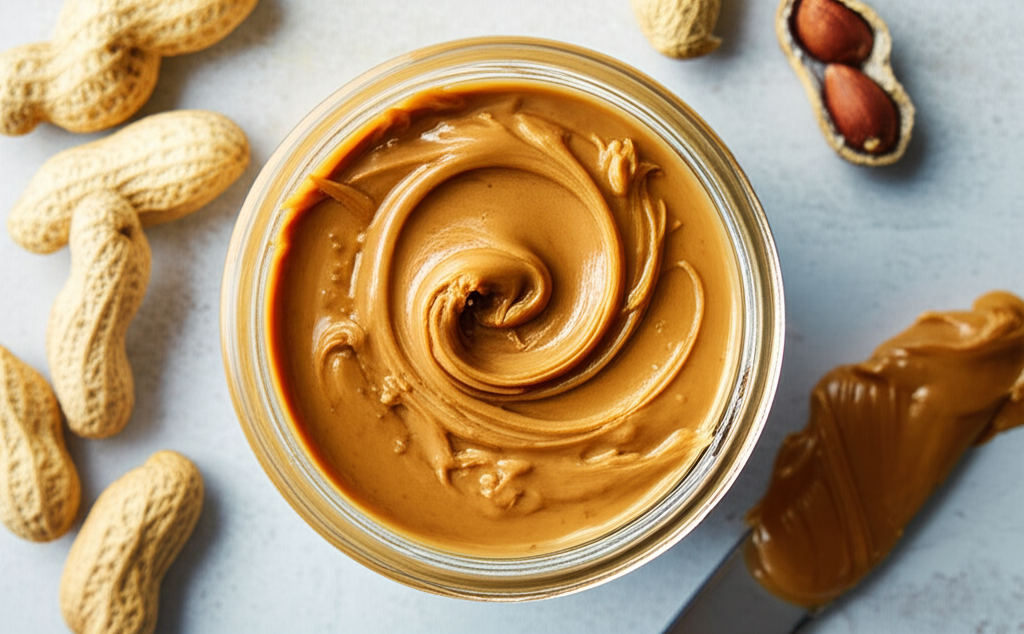
Peanut Butter’s Perks: Why I Sometimes Reach for the Jar
Let’s talk benefits. There are a few reasons why I keep peanut butter in my pantry. Here’s why:
- Protein Powerhouse: I’m all about that protein, and peanut butter delivers. It’s awesome for muscle repair after a workout. Plus, that protein keeps you feeling full and satisfied. For those who follow a plant-based diet, peanut butter can be an excellent source of protein, providing a convenient option for snacking or meal prep. I often add a scoop of peanut butter to my post-workout smoothie to help my muscles recover. It’s a much more affordable and accessible protein source than many protein powders. Protein is also important for maintaining a healthy weight, as it helps regulate appetite and prevent overeating.
- Heart-Healthy Fats: The unsaturated fats in peanut butter can actually help lower bad cholesterol. According to a study published in the *Journal of the American College of Nutrition* [1], incorporating these fats into your diet can seriously boost your cardiovascular health. Pretty cool, huh? Also, research from Penn State shows that regular peanut consumption is linked to a 21% lower risk of cardiovascular disease. This statistic really highlights the importance of incorporating healthy fats into our diets. I try to incorporate sources of healthy fats like peanut butter, avocados, and olive oil into my diet every day. These fats are not only good for your heart but also for brain health and hormone production.
- Packed with Good Stuff: We’re talking vitamins and minerals that are must-have for keeping your body running smoothly. Think energy levels, metabolic functions… the whole shebang. For instance, magnesium is key for muscle function and energy production, while potassium helps regulate blood pressure. The niacin in peanut butter contributes to healthy skin and nerve function, while the folate is important for cell growth and development, especially during pregnancy. I’ve noticed a difference in my energy levels since I started incorporating more magnesium-rich foods like peanut butter into my diet. I feel less fatigued and more able to tackle my daily tasks.
Beyond these major benefits, peanut butter offers a sustained release of energy due to its combination of protein, fats, and fiber. This makes it an excellent choice for athletes or anyone needing a lasting energy boost throughout the day. It’s also a relatively inexpensive source of nutrients compared to other healthy snack options, making it accessible to a wide range of people.
The Dark Side of Peanut Butter: Potential Downsides
Okay, it’s not all sunshine and rainbows. There are a few potential downsides to peanut butter that you need to know about. I’m not gonna lie, I was skeptical at first, but the more I looked into it, the more I realized it’s not *always* a health food.
- Calorie Bomb: This is a big one. Peanut butter is seriously calorie-dense. If you’re watching your weight, it’s easy to overdo it. Trust me, I’ve been there. One of the tricks I use is to pre-portion my peanut butter into small containers or bags to avoid mindlessly scooping from the jar. I’ve also found that using a smaller spoon helps me control my portion sizes. It’s easy to underestimate how much you’re eating when you’re just scooping straight from the jar. I once ate half a jar of peanut butter in one sitting without even realizing it! That’s when I knew I needed to be more mindful of my portion sizes.
- Hidden Nasties: This is where it gets tricky. Many store-bought brands are loaded with added sugars, salt, and hydrogenated oils. These ingredients can totally negate the good stuff. That’s why choosing the right kind of peanut butter is so important. For example, some brands can contain up to 3 grams of added sugar per serving, which can add up quickly if you’re not careful. Hydrogenated oils are a major concern because they contain trans fats, which are detrimental to heart health. Added salt can also contribute to high blood pressure. I always check the ingredient list carefully before buying peanut butter to make sure it’s free of these unhealthy additives.
- Allergies: This is a no-brainer, but it’s worth mentioning. Peanut allergies are super common, and they can be really severe. If you’re allergic, stay far, far away. According to the Food Allergy Research & Education (FARE), peanut allergies affect about 1-2% of the population in the United States, making it one of the most common food allergies. Symptoms of a peanut allergy can range from mild skin reactions to life-threatening anaphylaxis. It’s major for individuals with peanut allergies to carry an epinephrine auto-injector (EpiPen) and to be vigilant about avoiding peanuts and peanut-containing products. Cross-contamination is also a concern, so it’s important to be careful when eating out or buying packaged foods.
Another potential downside is the presence of aflatoxins, which are toxins produced by certain molds that can grow on peanuts. While regulatory agencies monitor aflatoxin levels in peanut butter, it’s still a concern. Choosing reputable brands that adhere to strict quality control standards can help minimize the risk of aflatoxin contamination. Some people also experience digestive issues like bloating or gas after consuming peanut butter due to its high fat content. If you have a sensitive digestive system, it’s best to start with small amounts and see how your body reacts.
Here’s the second image:

Peanut Butter Buying Guide: How to Choose Wisely
Choosing the right peanut butter can feel like navigating a minefield. But don’t worry, I’m here to guide you. Here’s what I look for:
Read the Fine Print
Seriously, READ THE LABEL. I can’t stress this enough. You want a product with peanuts (and maybe salt) as the *only* ingredients. Avoid anything with added sugars or those nasty hydrogenated oils. Big red flag. I honestly hate seeing those ingredients listed. A recent survey found that nearly 60% of consumers are unaware of the unhealthy additives found in many popular peanut butter brands. I always take a magnifying glass with me to the grocery store to make sure I can read the tiny print on the ingredient labels. It might seem extreme, but it’s worth it to protect my health. I also look for peanut butter that is certified organic, as this ensures that the peanuts were grown without the use of harmful pesticides.
Go Natural (if You Can)
Natural peanut butters are the way to go. They usually have fewer preservatives and no trans fats. Yeah, you might have to stir it because of the oil separation, but it’s worth it for the health benefits. My friend swears by the natural stuff. Also, a 2023 Consumer Reports study found that natural peanut butter brands often have significantly lower levels of sodium and sugar. [2] If you’re unsure where to start, look for brands that have a simple ingredient list, like “peanuts” and “salt”. Don’t be afraid of the oil separation in natural peanut butter. It’s a sign that the product doesn’t contain any emulsifiers or stabilizers. Just stir it well before using. Some natural peanut butters can be a bit gritty, but I’ve found that storing them upside down in the refrigerator can help improve the texture.
Consider the type of peanuts used. Some brands use roasted peanuts, while others use raw peanuts. Roasted peanuts have a richer flavor, while raw peanuts have a milder flavor. Ultimately, it comes down to personal preference. I also look for peanut butter that is made with sustainably sourced peanuts. This ensures that the peanuts were grown in an environmentally responsible way and that the farmers were paid fair wages.
Creative Serving Ideas: How I Enjoy Peanut Butter
So, you’ve decided peanut butter *can* fit into your diet? Awesome! Here are some of my favorite ways to enjoy it. I’ve been experimenting with these for months, and they’re all winners.
Toast Time
Spread a thin layer on whole-grain toast. Top with banana slices and a sprinkle of cinnamon. Boom. Nutritious breakfast. I might be wrong here, but I think it’s the perfect pre-workout snack. The combination of carbohydrates from the toast and protein from the peanut butter provides sustained energy for your workout. I like to use sprouted grain bread for my toast, as it’s more nutritious and easier to digest than regular bread. I also add a drizzle of honey or maple syrup for a touch of sweetness. Sometimes, I’ll sprinkle some chia seeds or flax seeds on top for an extra boost of omega-3 fatty acids and fiber.
Smoothie Magic
Add a tablespoon to your morning smoothie. It pairs perfectly with bananas, spinach, and almond milk. It’s a filling and delicious way to start the day. Trust me on this one. You can even throw in some chia seeds for an extra boost of omega-3 fatty acids! I also like to add a scoop of protein powder to my smoothie for an extra protein boost. My favorite smoothie combination is peanut butter, banana, spinach, almond milk, and chocolate protein powder. It tastes like a peanut butter cup! Sometimes, I’ll add a handful of berries for extra antioxidants and flavor.
Here’s a video to give you some more ideas:
Peanut Butter and Apple Slices
For a quick and healthy snack, pair peanut butter with apple slices. The sweetness of the apple complements the rich, nutty flavor of the peanut butter, making it a delicious treat. This combination is also a great source of fiber, which can help keep you feeling full longer. I prefer to use crisp, tart apples like Granny Smith or Honeycrisp. I also like to sprinkle some cinnamon on the apple slices for extra flavor. Sometimes, I’ll add a few raisins or chopped nuts for added texture and nutrients. This snack is perfect for satisfying my sweet cravings without derailing my diet.
Energy Bites
Mix peanut butter with oats, honey, and your choice of add-ins like chocolate chips or dried fruit to create no-bake energy bites. These are perfect for a quick snack on the go and can be stored in the fridge for several days. They’re not only satisfying but also provide a balanced mix of carbohydrates, protein, and healthy fats. I like to use rolled oats for my energy bites, as they provide a good source of fiber. I also add chia seeds, flax seeds, and hemp seeds for extra nutrients. For a healthier twist, I use dark chocolate chips instead of regular chocolate chips. These energy bites are a lifesaver when I’m short on time and need a quick and healthy snack.
Another great way to enjoy peanut butter is in savory dishes. It can be used to make delicious sauces for noodles or vegetables. For example, you can mix peanut butter with soy sauce, rice vinegar, honey, and garlic to create a flavorful peanut sauce. This sauce is perfect for drizzling over stir-fries or using as a dipping sauce for spring rolls. Peanut butter can also be added to soups and stews for extra richness and flavor. It pairs especially well with Asian-inspired dishes.
Peanut Butter: The Key is Moderation
Listen up. As with *any* food, moderation is key. Peanut butter has its perks, but you need to keep those portion sizes in check. Two tablespoons is usually the sweet spot. But don’t go overboard, especially if you’re trying to lose weight. Portion control is super important. I often use a measuring spoon to ensure I’m not going overboard, which can be surprisingly easy to do. I’ve also found that using smaller bowls and plates can help me control my portion sizes. It’s all about creating visual cues to help you eat less. I try to avoid eating peanut butter straight from the jar, as it’s too easy to lose track of how much I’m eating.
Peanut Butter in a Balanced Diet
Peanut butter can totally fit into a balanced diet. Pair it with fruits, veggies, or whole grains to round out your meals. It’s versatile and can add a nutritional boost without going overboard on calories. It’s all about balance, right? For instance, try using peanut butter as a dip for carrot sticks or celery for a crunchy, satisfying snack. This way, you’re incorporating more veggies into your diet while still enjoying your favorite nut butter. I also like to spread peanut butter on apple slices or banana slices for a healthy and satisfying snack. These combinations provide a good balance of protein, healthy fats, and carbohydrates. I try to incorporate peanut butter into my diet in a way that complements other healthy foods.
Consider your overall calorie intake and activity level when deciding how much peanut butter to eat. If you’re trying to lose weight, you may need to limit your portion sizes. If you’re very active, you may be able to eat more peanut butter without gaining weight. It’s all about finding what works best for your body and your goals. I also recommend tracking your food intake to get a better understanding of your calorie and macronutrient needs. This can help you make informed decisions about how to incorporate peanut butter into your diet.
Summary: Peanut Butter – Friend or Foe?
Okay, let’s recap. Peanut butter offers protein and healthy fats but is also calorie-dense and can contain unhealthy additives. Choose natural varieties, watch your portions, and enjoy it as part of a balanced diet. It’s not a magic bullet, but it’s not the enemy either. Honestly, in my experience, it’s all about making informed choices. Remember, it’s all about how you incorporate it into your overall eating pattern. Think of peanut butter as a tool in your nutritional toolbox. It can be a valuable asset if used correctly, but it can also be detrimental if used carelessly. It’s all about understanding its properties and using it in a way that supports your health goals.
Final Verdict: Should You Eat Peanut Butter in 2026?
So, should you eat peanut butter? I think it can be a great addition to your diet, *if* you’re smart about it. Choose natural varieties, watch your portion sizes, and be mindful of added ingredients. If you’re managing your weight or have specific health concerns, chat with a healthcare pro. They can give you personalized advice. I’m not a doctor, so take my advice with a grain of salt. But honestly, I think most people can enjoy peanut butter in moderation. Just be smart about it, okay?
Remember, understanding the good and the bad of any food is vital for making smart choices about what you eat. And if you’re unsure about peanut butter’s impact on *your* health, don’t hesitate to get some personalized guidance from a nutritionist or doctor. Peanut butter can be a delicious and nutritious part of your diet if enjoyed wisely! Consider consulting with a registered dietitian to develop a personalized meal plan that incorporates peanut butter in a healthy and sustainable way. They can help you determine the appropriate portion sizes and frequency of consumption based on your individual needs and goals. They can also provide guidance on how to choose the best types of peanut butter and how to incorporate it into your meals and snacks.
You Might Also Like

