
High-Protein Breakfasts: Ulcer-Friendly Ideas for Weight Loss


High-protein breakfasts can help with weight loss because they keep you full longer. As a result, they cut random snacking later. Plus, they make a calorie deficit feel less miserable. If you’re dealing with stomach ulcers (or you’re in a flare), the trick is choosing protein that’s gentle. In other words, go low-acid, non-spicy, and avoid common irritants. Below are 10 ulcer-friendly options with approximate protein per serving, plus quick prep tips and easy swaps so you can keep moving toward your goal without poking the bear (aka your stomach).
One thing I learned the hard way: “healthy” breakfasts can still be a disaster for ulcers. For example, I once tried a citrusy protein smoothie because it sounded light. Unfortunately, it wasn’t light on my stomach. So, stick with bland-ish, creamy, and steady options—especially first thing in the morning.
If you’re aiming for fat loss, a food scale is one of those boring tools that quietly works. I’ve used a basic digital food scale for years, and it’s the fastest way to learn what your “tablespoon of peanut butter” actually looks like. Since your stomach’s touchy, you’ll often do better with smaller portions. More importantly, consistent portions make tracking far simpler.
What makes high-protein breakfasts ulcer-friendly (and weight-loss-friendly)?
Ulcers don’t enjoy rough mornings. So, I stick to breakfasts that are warm or room temp. On top of that, I keep them low-acid and not spicy. For protein, I choose foods that digest easily: eggs, yogurt (often lactose-free), cottage cheese, tofu, and lean poultry. For weight loss, I keep the meal satisfying but not huge. In practice, it’s protein + gentle carbs + a little fat.
Notably, protein at breakfast has real-world benefits for appetite control. For instance, research from the University of Missouri found a high-protein breakfast reduced cravings and increased fullness in adults, with effects reported at roughly ~60% lower desire to eat later compared with skipping breakfast (study summary widely cited in 2024 nutrition overviews). Meanwhile, a 2024 survey by the International Food Information Council (IFIC) found 71% of Americans try to limit or avoid at least one food or ingredient, which makes simple, repeatable breakfasts easier to stick with. What’s more, according to a 2024 report from the CDC, adult obesity prevalence in the U.S. is over 40%, which helps explain why sustainable routines matter (CDC Adult Obesity Facts).
Even so, ulcer comfort still comes down to food texture, acidity, and timing. As a result, you’ll want to keep seasonings mild and portions steady. For medical basics, you can also review the NIDDK overview on peptic ulcers and the Mayo Clinic peptic ulcer guidance.
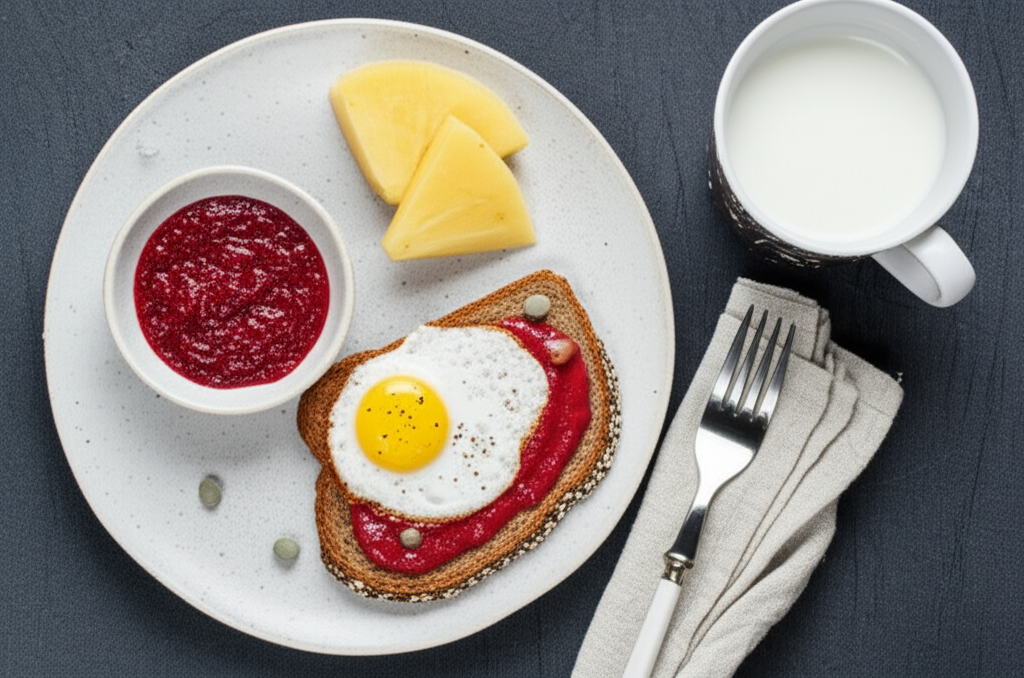
To make this easier to follow, I’ve added one quick visual checklist below. Also, you’ll find simple swaps for flare days in each idea. If you’re tracking macros, you’ll still want to confirm labels since protein can vary by brand.
How can you build a high-protein breakfast routine without triggering a flare?
First, keep a “safe list” for flare weeks: eggs, oatmeal, bananas, plain yogurt, rice, and mild soups. Next, rotate two or three breakfasts so you’re not thinking about it at 7 a.m. Meanwhile, watch the usual aggravators: coffee on an empty stomach, citrus, tomato, spicy seasonings, and greasy foods.
Also, don’t ignore the medical side. Most ulcers link to H. pylori infection or NSAID use, so treatment matters. For a clear overview, start with the NIDDK overview on peptic ulcers. What’s more, the Mayo Clinic peptic ulcer guidance explains diagnosis and treatment options.
10 high-protein breakfasts that are gentle on ulcers (with protein estimates)
I’m giving protein numbers as realistic ranges because brands and portion sizes vary. Still, these ranges are close enough to plan your day. If you’re tracking, weigh portions once or twice. Then you’ll dial in accuracy fast.
1) Egg-white oatmeal (savory, not spicy)
Protein: ~20–28g
How I do it: Cook oats with water or lactose-free milk. Then, stir in liquid egg whites slowly at the end. Next, keep stirring so it doesn’t scramble into chunks. Finally, add a pinch of salt and chopped spinach.
Ulcer-friendly swaps: Skip pepper flakes. Instead, use herbs like parsley or dill.
2) Lactose-free Greek yogurt bowl with banana + chia
Protein: ~17–25g
Quick prep: Mix Greek yogurt with sliced banana and 1 tsp chia seeds. If you want sweetness, use a little honey. However, everyone’s different, so test it gently.
Swap: Choose lactose-free if dairy bothers you. Also, go for lower-fat if you need it gentler.
3) Cottage cheese + soft pear + cinnamon
Protein: ~20–28g
Tip: If cottage cheese feels too tangy, blend it until smooth. Then it turns into a mild “cream” you can top with soft fruit. As a bonus, the texture often feels easier during flares.
Swap: Use low-fat cottage cheese if higher fat sits heavy.
4) Turkey-and-egg breakfast wrap (no hot sauce)
Protein: ~25–35g
How: Scramble 1 whole egg + 2 egg whites. Next, add sliced deli turkey (low-sodium). Then wrap it all in a soft flour tortilla. Add a little avocado if you tolerate it.
Swap: If tortillas irritate you, use a small pita. Alternatively, serve it as a plate meal with rice.
What should you avoid during an ulcer flare (especially at breakfast)?
During flare-ups, I’d keep it boring on purpose. Specifically, avoid spicy sauces, citrus, tomato-based items, peppermint, and deep-fried foods. Also, chocolate bothers some people, so it’s worth paying attention. Also, coffee can be a problem, especially on an empty stomach, so test it carefully.
Importantly, alcohol and smoking often make GI symptoms worse and slow healing. For a straight medical reference, the Cleveland Clinic guide on peptic ulcer disease explains triggers, symptoms, and treatments in plain language. Likewise, the World Health Organization tobacco fact sheet covers health impacts that can complicate recovery.
5) Silken tofu “yogurt” bowl (surprisingly good)
Protein: ~15–22g
Prep: Blend silken tofu with a splash of vanilla extract and a little maple syrup. Then top it with banana or cooked apples. If you like it warmer, microwave the apples first.
Swap: If soy is an issue, skip this one. Instead, use lactose-free yogurt.
6) Gentle protein smoothie (no citrus, no raw greens)
Protein: ~20–35g (depends on powder)
Recipe: Blend lactose-free milk, banana, oats, and a scoop of whey isolate or pea protein. Keep it low-acid. So, skip orange, pineapple, and berries during flares.
Tip: Blend longer than you think. Less texture means an easier morning.
7) Egg bites with spinach (oven or microwave)
Protein: ~18–25g (2–3 bites)
Make ahead: Whisk eggs with a little lactose-free milk. Then fold in spinach and bake in a muffin tin. Reheat as needed, and you’re set.
Swap: Use reduced-fat cheese if you tolerate it. Otherwise, skip cheese completely.
8) Warm rice porridge (congee) with shredded chicken
Protein: ~22–30g
Why it works: Warm, soft, and easy. Congee is basically comfort food for your stomach. Plus, it’s simple to portion for a deficit.
Tip: Use ginger sparingly or skip it during flares. Instead, season with a tiny bit of salt.
9) Overnight oats with protein (low-acid version)
Protein: ~25–35g
How: Combine oats, lactose-free milk, Greek yogurt, and a scoop of unflavored protein powder. Then top with banana in the morning. If you want more calories, add a little nut butter.
Swap: If protein powder upsets you, use more yogurt and less powder. Alternatively, switch to a different brand.
10) Soft scrambled eggs + ricotta on toast
Protein: ~22–30g
Prep: Scramble eggs low and slow so they’re soft. Next, spread a thin layer of ricotta on toast. Then top with the eggs and a pinch of salt.
Swap: Use lactose-free ricotta if you can find it. Or skip dairy and add avocado instead.
How do you keep high-protein breakfasts in a calorie deficit?
Here’s the part people hate: it’s usually the “extras” that blow up calories, not the protein. Therefore, measure calorie-dense add-ons like nut butter, oils, cheese, and granola. Also, pick one main carb (oats or toast) and keep fruit portions reasonable when you’re cutting. If you want a quick reality check, track breakfast for one week only.
Interestingly, a higher-protein approach often helps people maintain weight loss. In fact, protein needs are commonly discussed as around 1.6 g/kg/day for those aiming to preserve lean mass during dieting, based on sports nutrition research summaries. One widely cited review is available via the National Library of Medicine (PubMed). To compare general diet-quality patterns, you can also explore the Harvard T.H. Chan School of Public Health Nutrition Source.
Also, if you’re using “diet” products, read labels. Some sugar alcohols and gums can bother sensitive stomachs. So, start small and see how you feel. If it doesn’t sit right, you don’t have to force it.
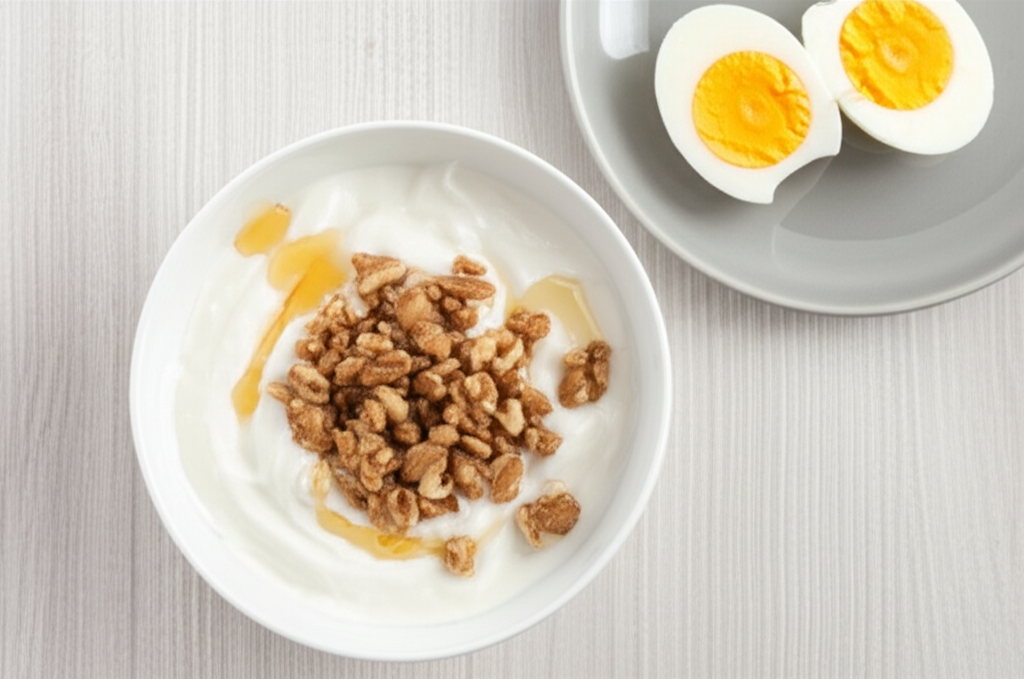
To avoid repetition, you don’t need ten different meals every week. Instead, pick two weekday defaults and one weekend option. Then rotate toppings and textures to keep them interesting.
Quick prep tips (because mornings are chaotic)
First, batch-cook proteins. For example, make egg bites, shred chicken, or portion yogurt cups for 3–4 days. Second, keep a “flare box” shelf with oats, rice, bananas, and shelf-stable protein you tolerate. On top of that, set up your blender the night before if you do smoothies. That tiny step removes friction when you’re half awake.
Finally, if ulcers are active, consider timing. A small, gentle breakfast can help if you’re taking medication that irritates an empty stomach. Still, ask your clinician about your specific meds, because you shouldn’t guess.
One more useful reality check: weight loss still comes down to consistent energy balance. Notably, the CDC reports adult obesity in the U.S. is over 40%. Because of that, lots of people try to “fix breakfast” first. Breakfast won’t solve everything, but it’s a smart place to start.
Summary: The best high-protein breakfasts for ulcer-prone mornings are mild, low-acid, and easy to digest. Think eggs, oats, lactose-free yogurt, cottage cheese, tofu, and gentle grains like rice. Keep portions steady, measure calorie-dense add-ons, and avoid common flare triggers like spice, citrus, tomato, and greasy foods. You’ll stay fuller, protect your stomach, and make your calorie deficit easier to stick with.
You Might Also Like
