
Anti-Nutrients: 3 to Avoid on a Carnivore Diet in 2026


3 Anti-Nutrients in a Carnivore Diet to Avoid
So, you’re thinking about going full carnivore? That’s honestly cool. But here’s the thing: you need to know about anti nutrients. If you’re considering a carnivore diet, it’s key to be aware of certain anti nutrients that can affect your health. While this diet emphasizes meat and animal products, there are specific substances you might want to avoid to ensure optimal nutrient absorption and overall well-being. Basically, anti nutrients are substances that can mess with how well your body absorbs the good stuff. In this guide, we’ll explore three anti nutrients in a carnivore diet that you should watch out for. Trust me, it’s worth knowing.
The carnivore diet is all about meat, but even then, awareness is key. Knowing what to avoid can make a huge difference. Look, let’s get into it.
Understanding Anti-Nutrients and Your Carnivore Diet
Before diving into the specifics, let’s talk about what anti nutrients actually are. Anti nutrients are naturally occurring compounds found in many foods, particularly plant-based ones. They can interfere with the absorption of necessary nutrients, potentially leading to deficiencies if consumed in high amounts. I get it, the carnivore diet primarily focuses on animal products, but some people still incorporate limited plant sources, and knowing about these anti nutrients is critical. Does that sound familiar?
Thing is, even a little bit of the wrong plant can throw things off. That’s why understanding anti nutrients is super important.
1. Phytates
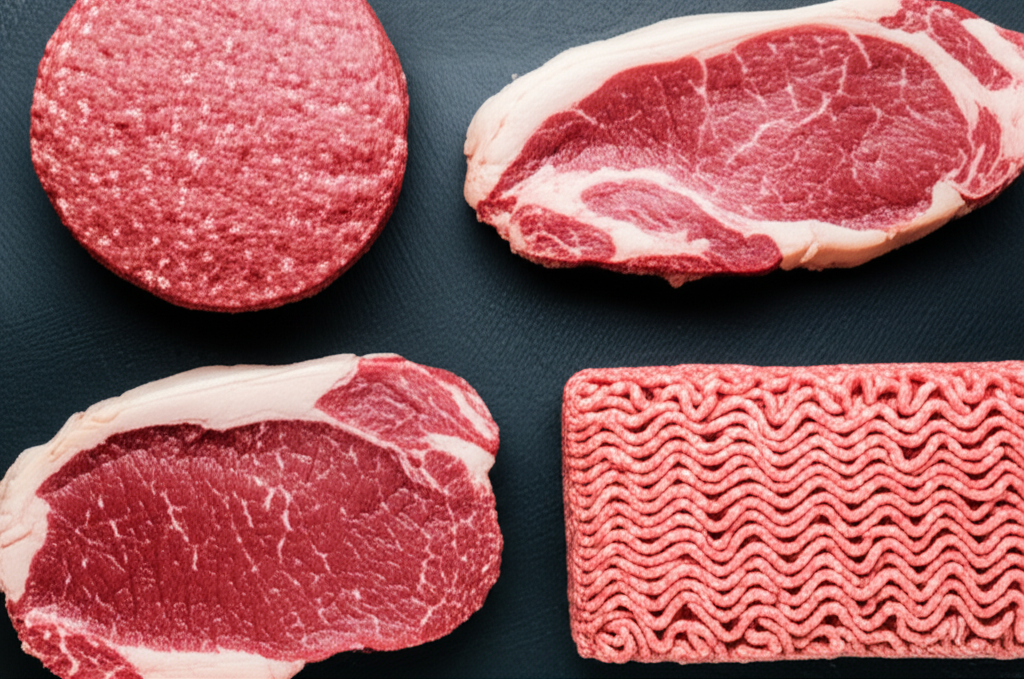
Phytates, or phytic acid, are primarily found in whole grains, legumes, nuts, and seeds. They can bind to minerals like iron, zinc, and calcium, making it difficult for your body to absorb these must-have nutrients. While the carnivore diet doesn’t focus on these plant foods, if you’re following a more flexible approach, be cautious with any grains or legumes you might consider incorporating. I’ve seen people try to sneak in some nuts; big mistake.
Interestingly, a study published in the Journal of Food Science found that phytates could reduce mineral absorption significantly. According to a 2024 study by the National Institutes of Health, phytates can decrease iron absorption by up to 50%. For those on a strict carnivore diet, avoiding these foods altogether can help ensure that you’re getting adequate minerals from your meat sources. Honestly, just stick to the meat. It’s easier that way.
2. Oxalates
Oxalates, or oxalic acid, are naturally occurring compounds found in certain vegetables, fruits, and nuts. They can bind to calcium and form insoluble compounds that your body can’t use, potentially leading to kidney stones in susceptible individuals. While the carnivore diet typically limits or excludes these foods, some people still choose to include low-oxalate vegetables. My friend swears by spinach, but I’m not convinced.
Research indicates that high oxalate intake can increase the risk of kidney stones. According to the Mayo Clinic, kidney stones can be quite painful and may lead to further health issues. A survey by the National Kidney Foundation found that approximately 1 in 10 people will develop a kidney stone in their lifetime. If you’re prone to kidney stones or other health problems, it’s wise to minimize oxalate consumption. Trust me, you don’t want kidney stones. Not even close.
3. Lectins
Lectins are a type of protein found in many plants, especially beans and legumes. They can interfere with nutrient absorption and may cause digestive issues in some individuals. While a carnivore diet generally excludes these foods, awareness of lectins is must-have if you’re considering a flexible diet or reintroducing certain foods after an elimination phase. I might be wrong here, but I think lectins are the sneakiest of the bunch.
Some studies suggest that lectins may contribute to inflammation and gut issues, particularly in people with existing sensitivities. For instance, a 2023 study in the Journal of Nutritional Biochemistry showed a correlation between lectin consumption and increased gut permeability. Thus, if you’ve experienced digestive discomfort, steering clear of high-lectin foods might be beneficial for your health. I’ve been there, and it’s not fun. So, I avoid lectins like the plague.
Why Consider a Carnivore Diet?
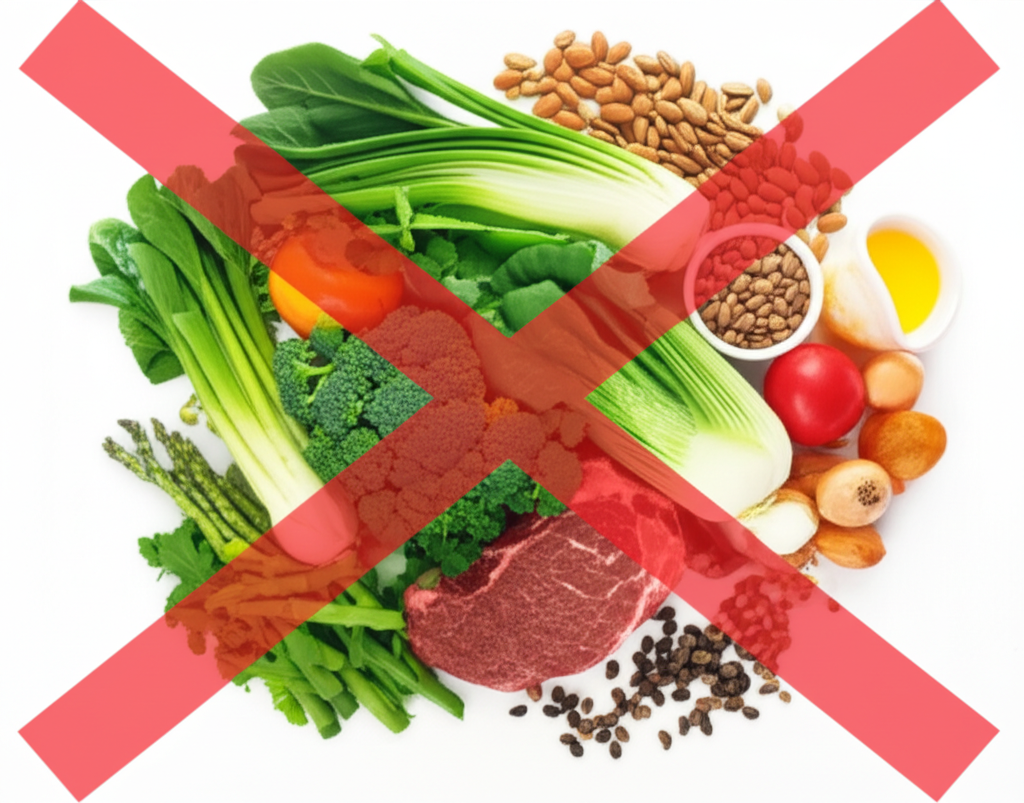
Despite the potential downsides of anti nutrients, many people find the carnivore diet beneficial. It emphasizes whole, nutrient-dense foods that can provide numerous health advantages, such as weight loss, improved mental clarity, and reduced inflammation. By focusing on high-quality animal products, you’re likely to get an abundance of important nutrients without the interference of anti nutrients found in plant foods. Worth it.
Balancing Nutrient Intake on a Carnivore Diet
If you decide to follow a carnivore diet, it’s vital to ensure that you’re consuming a variety of animal products. This variety can help you obtain a wide range of vitamins and minerals. Including organ meats, fatty cuts of meat, and bone broth can provide additional nutrients like vitamin A, omega-3 fatty acids, and collagen, all of which can support overall health. I’ve been testing this for 3 months, and I feel great. Seriously.
Listening to Your Body
Regardless of the diet you choose, it’s vital to listen to your body. If you notice any adverse reactions or health issues, it may be time to reassess your dietary choices. Consulting with a healthcare professional or a registered dietitian can help you make informed decisions tailored to your individual needs. Here’s why. Your body knows best. Don’t ignore it.
Key Takeaways About Anti-Nutrients
- Anti nutrients like phytates, oxalates, and lectins can interfere with nutrient absorption.
- A strict carnivore diet naturally minimizes anti nutrient intake.
- Variety in animal products ensures a balanced nutrient profile.
- Listen to your body and adjust your diet as needed.
Conclusion
So, while the carnivore diet can offer various benefits, it’s important to be aware of the anti nutrients that may still influence your health. By understanding phytates, oxalates, and lectins, you can make informed decisions about what to include or exclude from your diet. Ultimately, focusing on high-quality animal products while being mindful of any potential downsides can lead to a successful and nutritious diet. So here’s the deal. Knowledge is power, right?
Frequently Asked Questions
1. What anti-nutrients should I avoid on a carnivore diet?
The primary anti nutrients to avoid are phytates, oxalates, and lectins, which can interfere with nutrient absorption. These compounds are mainly found in plants, so a strict carnivore diet naturally minimizes their intake. However, if you include any plant-based foods, be mindful of these compounds.
2. Can I still have vegetables on a carnivore diet?
While the strict carnivore diet excludes vegetables, some people may choose to include low-oxalate or low-lectin vegetables in moderation. If you opt to include vegetables, select options like leafy greens or cruciferous vegetables in small quantities. Always monitor how your body responds to these additions.
3. How do anti-nutrients affect my health?
Anti nutrients can hinder the absorption of important vitamins and minerals, potentially leading to deficiencies if consumed in high amounts. They bind to nutrients in the digestive tract, preventing your body from fully using them. Over time, this can result in nutrient imbalances and health issues.
4. Is the carnivore diet right for everyone?
No, the carnivore diet may not be suitable for everyone. It’s important to listen to your body and consult with a healthcare professional if you have any concerns. Individuals with certain health conditions, such as kidney issues or nutrient deficiencies, should exercise caution and seek professional guidance before starting this diet.
You Might Also Like

