
Keto Diet Facts: 7 MUST-Knows for 2026!


Keto Diet Facts: 7 MUST-Knows for 2026!
Thinking about going keto? Look, I get it. The keto diet is super trendy right now, isn’t it? Everyone’s talking about it, and the weight loss results can seem amazing. You see those before-and-after pictures plastered all over social media, and it’s tempting to think, “That could be me!” But before you jump on the bandwagon, there’s some stuff you absolutely HAVE to know. Seriously. It’s not all sunshine and bacon. I’m going to lay it all out, the good, the bad, and the downright ugly. That way, you can make an informed decision. So, is the keto diet right for you? Let’s find out. I’ll even share some personal anecdotes from my own (brief and unsuccessful) keto experiment.
The ketogenic diet is basically a super high-fat, very-low-carb diet that forces your body into a metabolic state called ketosis. Instead of burning carbs for energy, your body starts burning fat. This process produces ketones, which become your body’s new fuel source. It’s a pretty drastic shift, and it’s not always easy. It requires discipline, planning, and a willingness to say goodbye to some of your favorite foods. But honestly, is it worth it? Diet Doctor has great info. They offer meal plans, recipes, and a supportive community, which can be incredibly helpful if you decide to embark on this journey.
What the Heck *Is* Ketosis, Anyway?
Okay, so here’s the deal. Ketosis is when your body switches from using glucose (from carbs) to ketones (from fat) as its primary fuel. To get there, you’ve got to drastically cut your carb intake. I’m talking way down. Think less than 50 grams a day. That’s tough. For reference, a single medium-sized apple can contain around 25 grams of carbs. So, you can see how quickly those carbs can add up. When your body runs out of glucose, your liver starts breaking down fat into ketones. These ketones then power your brain and body. It’s a survival mechanism, really, a way for our ancestors to survive during times of famine. But now, it’s a diet trend. Make sense? It’s like hacking your own metabolism. But remember, with great power comes great responsibility (and potential side effects!).
The Shiny Benefits: Weight Loss and More?
Yeah, weight loss is the big one. It’s the headline, the hook, the reason most people are even considering keto. But there are other potential benefits too. Some studies suggest that the keto diet can improve blood sugar control. It might even boost mental clarity for some people. I’ve heard that from friends, anyway. According to a 2023 study published in the journal *Nutrients* (MDPI), ketogenic diets may lead to improvements in neurological disorders. Specifically, the study mentions potential benefits for epilepsy, Alzheimer’s disease, and Parkinson’s disease. So, it’s not just about shedding pounds. But let’s be real, that’s why most people try it. It’s the promise of a slimmer waistline that draws them in.
The Weight Loss Hype
Okay, I’ll admit it. I’ve seen people drop weight like crazy on keto. It’s hard to ignore those results. When you cut carbs, your body starts tapping into its fat reserves. That’s the theory, anyway. And for many, it works. I’ve seen friends lose 10+ pounds in a month. One friend, Sarah, lost almost 20 pounds in six weeks! She was ecstatic. But is it sustainable? That’s the million-dollar question. Can you keep it up? Or will you eventually succumb to the siren song of pizza and pasta? The initial rapid weight loss is often due to water weight, which can be encouraging but also misleading. It’s important to focus on long-term fat loss, not just short-term water loss.
Blood Sugar and Brain Boosts? Maybe.
Here’s where things get a little less clear-cut. Some research suggests that keto can help manage blood sugar. That’s potentially huge for people with type 2 diabetes. By reducing carb intake, you’re essentially reducing the amount of glucose entering your bloodstream, which can help stabilize blood sugar levels. And some folks swear it sharpens their focus. They report feeling more alert and less “brain fog.” I might be wrong here, but I think it’s different for everyone. I didn’t notice a huge mental boost when I experimented with keto last year. In fact, I felt a bit sluggish and irritable. But hey, maybe that’s just me. Honestly, it didn’t do much for me. I was constantly craving carbs and felt like I was missing out on some of my favorite foods. My experience highlights the importance of individual responses to the keto diet. What works for one person may not work for another.
The Dark Side: Downsides You Can’t Ignore
Okay, this is where I get real. The keto diet isn’t all rainbows and unicorns. There are some serious downsides you need to consider. The “keto flu” is no joke, and nutritional deficiencies are a real risk. Plus, it’s incredibly restrictive. Can you really give up bread forever? I know I couldn’t. I love bread too much! Imagine a life without toast, sandwiches, or even a simple slice of pizza. It’s a daunting prospect for many.
The Dreaded Keto Flu
Oh, the keto flu. Seriously. It’s like having a mild version of the actual flu. Fatigue, headaches, irritability… sound familiar? It’s your body freaking out as it adjusts to ketosis. It usually lasts a few days, but it can be brutal. I remember one friend saying she felt like she’d been hit by a truck. Fun times. She described it as a constant headache, extreme fatigue, and an overwhelming sense of irritability. She couldn’t concentrate on anything and just wanted to sleep all day. Electrolyte imbalances are a major contributor to the keto flu. When you restrict carbs, your body excretes more electrolytes, such as sodium, potassium, and magnesium. This can lead to dehydration and those flu-like symptoms. Staying hydrated and supplementing with electrolytes can help mitigate the keto flu.
Nutritional Nightmare?
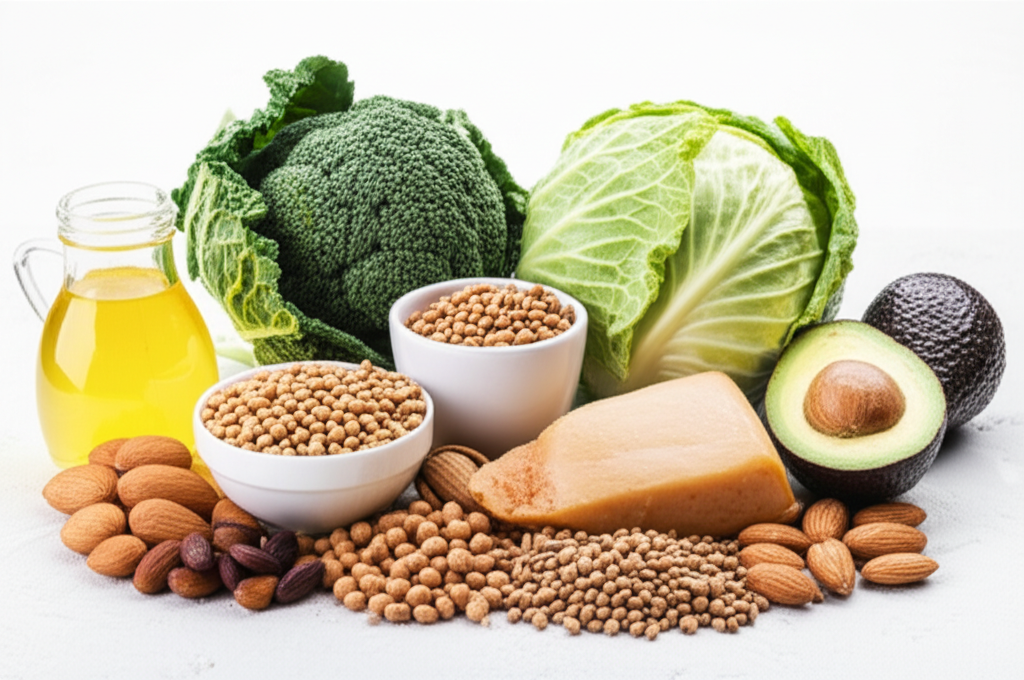
This is a big one. Keto restricts so many foods. Fruits, whole grains, legumes… they’re all pretty much off-limits. That means you’re missing out on a ton of important vitamins and minerals. Fruits are packed with vitamins, antioxidants, and fiber. Whole grains provide necessary B vitamins and fiber. Legumes are a great source of protein, iron, and fiber. By eliminating these food groups, you’re significantly reducing your intake of these vital nutrients. You absolutely HAVE to supplement. Otherwise, you’re setting yourself up for deficiencies. And that’s not healthy. A 2024 report by the National Institutes of Health (NIH) highlights the importance of vitamin D, which can be lacking on restrictive diets. You’ll need to take vitamins. Consider a multivitamin, as well as individual supplements for vitamin D, magnesium, and potassium. Consulting with a registered dietitian can help you determine the specific supplements you need to address any potential deficiencies.
Sustainability? Good Luck.
Let’s be honest. Keto is HARD. It’s super restrictive, and it requires a ton of planning. Eating out? Forget about it. Social events? Awkward. Try explaining to your friends why you can’t eat the cake at their birthday party. It’s not always easy. Most people can’t stick with it long-term. And when they go back to their old eating habits, the weight comes right back. It’s a vicious cycle. I’ve seen it happen so many times. It’s like a yo-yo diet, where you lose weight quickly but then gain it all back just as quickly. This can be detrimental to your metabolism and overall health. It’s much better to focus on sustainable lifestyle changes that you can maintain long-term.
Research from Harvard University shows that only 20% of people can maintain the keto diet for longer than a year. That means 80% of people eventually abandon the diet. This highlights the difficulty of adhering to such a restrictive eating plan. The long-term effects of keto are still being studied, but some research suggests that it may have negative impacts on cholesterol levels and kidney function.
Is Keto Right for *You*? A Few Questions to Ask
Okay, so here’s the million-dollar question: Is keto right for you? Honestly, it depends. It depends on your goals, your lifestyle, and your overall health. Are you looking for a quick fix or a long-term solution? Do you enjoy cooking and planning meals, or do you prefer to eat out frequently? Do you have any underlying health conditions that could be affected by the keto diet? Talk to your doctor or a registered dietitian before making any drastic changes. They can help you figure out if keto is a safe and sustainable option. They can also assess your individual needs and provide personalized recommendations. I’m not a doctor, so don’t take this as medical advice. This is just my personal opinion and observations based on my own experiences and the experiences of others.
Key Takeaways: Keto Diet Facts in 2026
Here’s a quick list of the key takeaways:
- Keto forces your body to burn fat instead of carbs. This can lead to weight loss, but it’s not always sustainable.
- It can lead to rapid weight loss, but it’s very restrictive. This can make it difficult to stick to the diet long-term.
- The “keto flu” is a real and unpleasant side effect. Be prepared for fatigue, headaches, and irritability.
- Nutritional deficiencies are a major concern. Supplementation is important to avoid health problems.
- Sustainability is a huge challenge for most people. Consider whether you can realistically maintain this diet long-term.
The keto diet can be effective for weight loss and improved health markers, but it’s not without its drawbacks. Before embarking on this dietary approach, ensure you’re well-informed about its principles and potential pitfalls. Do your research, talk to your doctor, and weigh the pros and cons carefully. With the right knowledge and support, you can make an informed decision that aligns with your health goals.
According to a 2025 study by the American Heart Association, long-term adherence to the keto diet may pose cardiovascular risks. The study found that people who followed the keto diet for more than a year had higher levels of LDL cholesterol (the “bad” cholesterol) and an increased risk of heart disease.
So, is keto for you? That’s the real question. Only you can answer that question, after careful consideration and consultation with your healthcare provider. Remember, there’s no one-size-fits-all approach to health and wellness. What works for one person may not work for another. The most important thing is to find a sustainable lifestyle that you enjoy and that supports your overall health and well-being.
You Might Also Like

