
High Protein GERD Dinner Ideas for Weight Loss (No Trigger Foods)


High protein GERD dinner ideas for weight loss come down to one simple rule: pick lean, non-spicy protein + gentle carbs + low-acid veg, then keep portions reasonable and don’t eat too close to bed. Specifically, aim for 25–40g protein at dinner, avoid common trigger foods (tomato, citrus, mint, alcohol, fried foods), and cook in reflux-friendly ways like baking, steaming, or air-frying. Overall, that combo’s been the most reliable “no drama” approach in my own kitchen.
Honestly, I learned this the annoying way. Back when my reflux was flaring, I’d do the classic “healthy dinner” thing—big salad with onions, tomatoes, and a squeeze of lemon. Then I’d try to push protein by drowning chicken in hot sauce. Guess what happened. Heartburn city. Eventually, once I started keeping dinners bland-but-not-boring (and higher protein), the scale finally moved again—without the midnight burn.
If you’re trying to lose weight with GERD, measuring a few staples for a week helps more than people want to admit. Still, I’m not saying you need to weigh lettuce forever. However, a basic digital food scale (especially for rice, oats, and oils) can reveal why “light dinner” isn’t always light.
One quick credibility note: GERD is individual. What wrecks me (raw onions) might be fine for you. Even so, patterns stay pretty consistent. For example, higher-fat meals and large evening portions often drive reflux. Plus, tightening dinner structure makes fat loss feel less chaotic.
What foods trigger GERD at dinner (and what I swap instead)
When I’m building high protein GERD dinner ideas, I start by removing the usual suspects. Next, I add flavor back in with herbs, gentle sauces, and smart cooking. Here are the big triggers that commonly cause reflux symptoms, plus easy swaps:
- Tomato sauces (pizza, marinara) → try a light olive-oil herb “sauce,” or a low-fat yogurt-dill sauce.
- Citrus (lemon, lime, orange) → use a splash of low-sodium broth, or mild vinegar in tiny amounts if tolerated.
- Onion/garlic (especially raw) → use garlic-infused oil (FODMAP-friendly) or chives/green tops.
- Spicy foods (chili flakes, hot sauce) → smoked paprika (mild), cumin (light), or Italian herbs.
- Fried/high-fat meals → bake, air-fry, grill, steam.
- Chocolate, mint, coffee → save them earlier in the day, or reduce during flares.
- Carbonated drinks/alcohol → still water or herbal tea (non-mint).
Notably, “fat” is the sneaky one. Even healthy fats can become a problem at night if the meal feels heavy. For instance, I can tolerate olive oil just fine—until I go from one teaspoon to three tablespoons and wonder why I’m burping at 2 a.m.
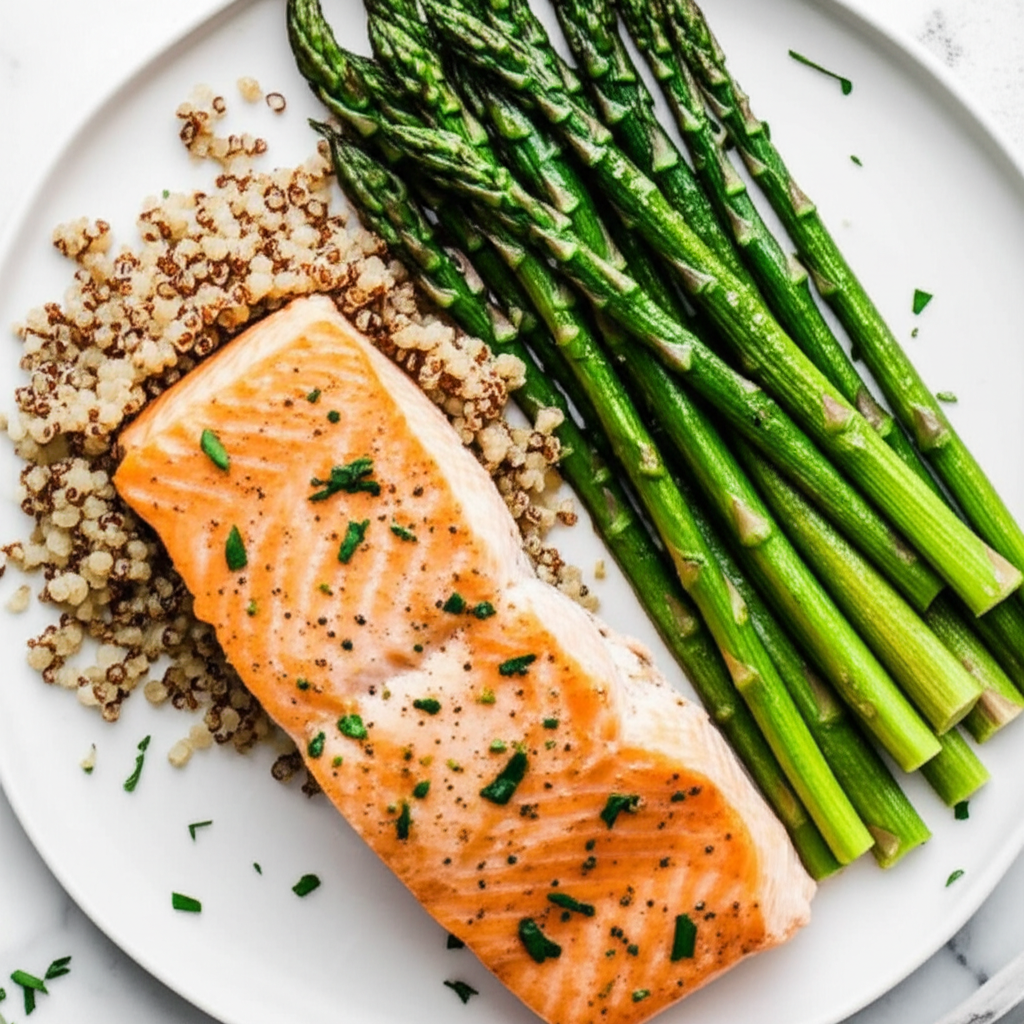
How do you build a GERD-friendly, high-protein dinner plate?
Here’s the simple template I use when reflux is touchy and I still want fat loss. On paper, it’s boring. In real life, though, it’s weirdly freeing.
- Protein (25–40g): chicken breast, turkey, white fish, shrimp, egg whites + 1 whole egg, tofu, tempeh, 0–2% Greek yogurt.
- Gentle carbs (1 cupped-hand): rice, oats (savory works), potatoes, sweet potatoes, quinoa.
- Low-acid veg (2 fists): zucchini, carrots, green beans, spinach (cooked), cucumber, broccoli (if tolerated), mushrooms.
- Fat (1–2 thumbs): olive oil spray, 1 tsp olive oil, a few avocado slices (if tolerated).
- Flavor without fire: basil, parsley, dill, oregano, ginger, turmeric, mild mustard, low-sodium broth.
For weight loss, I like dinners that land around 350–550 calories with a solid protein hit. Of course, that range is flexible. Still, it’s a sweet spot for many people because it’s filling without feeling like a brick in your stomach.
One stat worth knowing: in a large meta-analysis, higher-protein diets improved body weight and fat mass compared with standard protein intake in many settings. You can read the overview in the American Journal of Clinical Nutrition (meta-analysis). That doesn’t mean “more protein = magic.” Instead, it can make appetite and muscle retention easier.
Meanwhile, GERD isn’t rare. According to a 2024 report by the NIDDK, about 20% of people in the U.S. have GERD. On top of that, a 2024 survey by the American Gastroenterological Association found that about 79% of people with GERD report symptoms at night. Finally, according to a 2024 survey by Sleep Foundation, about 35% of U.S. adults report short sleep (under 7 hours) on average—which can make cravings harder to manage if reflux already limits your options.
High protein GERD dinner ideas: 12 quick options (with protein + calories)
These are dinners I’ve made (or helped clients/friends tweak) when reflux was acting up. To keep things practical, I’m keeping ingredients simple on purpose. Also, all numbers are approximate because brands and portions vary—so use them as a starting point.
1) Ginger chicken + rice + zucchini (one-pan)
- Approx macros: 35–45g protein, 420–520 calories
- How I do it: Sauté chicken in a nonstick pan with a little broth, add grated ginger, then toss in sliced zucchini.
- Prep tip: Cook rice in bulk; reheat with a splash of water.
2) Turkey burger bowl (no tomato, no onion)
- Approx macros: 30–40g protein, 380–480 calories
- Build: Turkey patty, mashed sweet potato, steamed green beans.
- Flavor: Dill + salt + a little low-fat Greek yogurt on top.
3) Air-fryer cod + potato coins + carrots
- Approx macros: 35–45g protein, 400–500 calories
- Why it works: White fish is lean and typically easy on reflux.
- Prep tip: Toss potatoes in cooking spray, not oil baths.
4) Shrimp “fried” rice (not actually fried)
- Approx macros: 30–40g protein, 380–520 calories
- Swap: Use day-old rice, scrambled egg whites, peas/carrots, and low-sodium soy sauce (small amount).
- GERD note: Skip chili oil and garlic-heavy sauces.
5) Greek yogurt chicken salad wrap (GERD-friendly version)
- Approx macros: 30–45g protein, 350–500 calories
- Mix: Shredded chicken + 0–2% Greek yogurt + diced cucumber + dill.
- Serve: In a low-fat wrap or with rice crackers.
6) Tofu + quinoa + sautéed spinach (easy protein plant plate)
- Approx macros: 25–35g protein, 420–550 calories
- Cook: Press tofu, then pan-sear in a nonstick skillet with a teaspoon of oil.
- Flavor: Ginger + a tiny splash of tamari.
7) Egg-white veggie scramble + baked potato
- Approx macros: 30–40g protein, 350–480 calories
- Veg: Mushrooms + spinach (cooked) + zucchini.
- My trick: Add one whole egg for taste, keep the rest egg whites.
8) Poached salmon (small portion) + rice + cucumber
- Approx macros: 30–40g protein, 450–600 calories
- GERD note: Salmon is healthy, but fattier fish can bother some people at night. So, test it.
- Prep tip: Poaching keeps it moist without extra fat.
9) Turkey meatballs (baked) + creamy cauliflower mash
- Approx macros: 35–45g protein, 400–550 calories
- Sauce idea: Warm low-sodium broth thickened with a little cornstarch, plus herbs.
- Skip: Marinara during flares.
10) Chicken noodle soup (protein-forward)
- Approx macros: 30–45g protein, 300–450 calories
- Make it filling: Double the chicken, go lighter on noodles.
- Reflux win: Warm soups can feel soothing, especially when they’re not spicy.
11) Lean beef (sirloin) + mashed potatoes + green beans
- Approx macros: 30–40g protein, 450–600 calories
- Portion tip: Keep beef to 4–5 oz cooked if fat triggers you.
- Cook: Grill or sear, then rest—no buttery pan sauce needed.
12) Cottage cheese bowl (savory) + turkey slices + cucumber
- Approx macros: 35–50g protein, 300–450 calories
- Yes, it’s dinner: On nights I can’t be bothered, this is my “adult lunchable.”
- Flavor: Salt, dill, and cracked pepper (if tolerated).
Also, if you’re wondering about the weight-loss angle: protein tends to help with satiety, and satiety helps with calorie control. Meanwhile, reflux-friendly cooking usually reduces greasy add-ons, which quietly lowers calories too. So, that’s a nice two-for-one.
What meal timing actually helps GERD at night?
This is the part most people hate, because it’s not a recipe. Still, it matters. Try to finish dinner at least 3 hours before lying down. That guidance is commonly recommended in clinical resources like the NIDDK GERD overview. If you snack later, keep it small and low-fat.
And, if nighttime reflux is your main problem, consider slightly smaller dinners and a bigger breakfast or lunch. I resisted that shift for years. Then I tried it for two weeks and slept better—annoying, but true. As a bonus, earlier calories often make later cravings easier to manage.
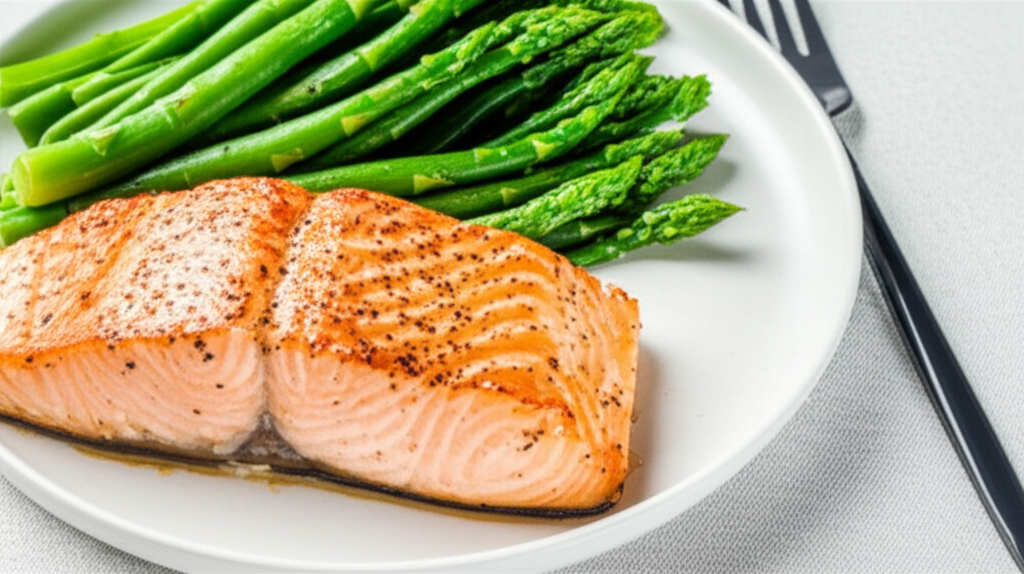
How can you keep protein high without making reflux worse?
Here are the tactics that keep showing up as “works in real life,” especially when you’re tired and just need dinner handled:
- Choose lean proteins first (chicken breast, turkey, cod, shrimp). Then add fats carefully.
- Use gentle marinades: broth + herbs + a touch of maple or honey beats acidic marinades during flares.
- Cook veggies instead of piling them raw. For many people, cooked veg feels easier at night.
- Watch portion size. A huge “healthy” meal can trigger symptoms just by volume.
- Track your personal triggers for two weeks. Specifically, note spice, fat level, and meal timing.
One more stat, since it’s helpful context: GERD is common. Estimates vary, but population studies often place GERD prevalence around 10–20% in Western countries. A review in Gastroenterology & Hepatology (PMC review) summarizes prevalence and trends. So, you aren’t “weird” for needing a different dinner plan.
Quick summary you can actually use tonight
High protein GERD dinner ideas work best when you keep dinner lean, mild, and not massive. First, start with 25–40g protein, add a gentle carb, pile on cooked low-acid veggies, and limit fats and spice—especially at night. Plus, finishing dinner three hours before bed can be the difference between progress and misery.
Finally, if you want a simple action step: pick two proteins you tolerate (like chicken and cod), two carbs (rice and potatoes), and four veggies (zucchini, carrots, spinach, green beans). Then rotate. That’s it. Boring? Maybe. Effective? Usually, yes.
You Might Also Like

