
High Protein Low Iodine Diet: 7-Day Meal Plan for Weight Loss


If you need a high protein low iodine diet for a short stretch and you still want to lose fat, you’re in the right place. First, keep iodine low by skipping iodized salt, dairy, seafood, seaweed, and most egg yolks, while keeping protein high with chicken, turkey, egg whites, beans, and unsalted nuts. Then, control calories with simple portions and repeatable meals. In other words, this is a fat-loss meal plan idea—not medical treatment.
I’ve helped friends set up “temporary” low-iodine menus (usually before a procedure), and the first thing that trips people up is protein. Often, they assume it’s all fish, yogurt, and whey shakes. However, you can still hit solid protein numbers with poultry, egg whites, and smart plant proteins. Ultimately, you’ve just gotta stop winging it and plan like a grown-up for one week.
Real talk: having meal prep containers makes this 10x easier. Back then, I’d try the “I’ll just store everything in random bowls” method, and it was chaos. Once you can portion lunches ahead of time, sticking to your calories becomes almost boring (which is kind of the goal). As a result, you’ll spend less time deciding and more time actually following the plan.
what’s a high protein low iodine diet (and what do you avoid)?
A low-iodine approach is usually a temporary plan used for specific medical reasons. For weight loss, the goal here’s simply to keep iodine-containing foods low while maintaining a high-protein, calorie-controlled menu. Therefore, you’ll focus on foods that are naturally low in iodine and avoid the common iodine “bombs.”
- Avoid: iodized salt, seafood (fish/shellfish), seaweed/kelp, dairy (milk, yogurt, cheese), foods made with dairy, most commercial breads made with iodate dough conditioners, and egg yolks (egg whites are typically used instead).
- Be cautious with: restaurant food (often salty and unknown salt type), packaged sauces/seasonings, and multivitamins containing iodine.
- Usually OK: fresh poultry, fresh meat, egg whites, most fruits/vegetables, unsalted nuts/nut butters, dry beans/lentils, oats, rice, pasta, olive oil, and non-iodized salt.
If you want official guidance, check the ThyCa Low-Iodine Diet guidelines (excellent list, super practical). On top of that, for general iodine basics, the NIH fact sheet is straightforward: NIH Office of Dietary Supplements—iodine. For weight-loss fundamentals and safe pacing, you can also reference the CDC Healthy Weight guidance.
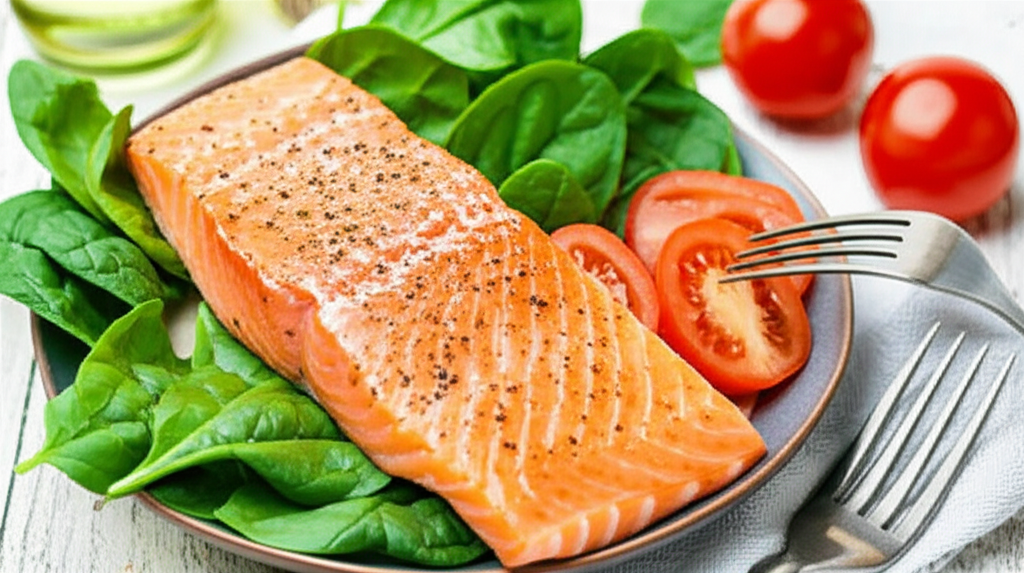
How many calories and macros should you aim for?
I’m not your clinician, and I’m not pretending a one-size macro split is magic. Still, you need some numbers or this turns into snack roulette. For most people trying to lose fat, a simple target works well.
- Calories: 1,400–1,900/day (most active people land higher; smaller or sedentary folks often land lower).
- Protein: 110–160g/day (higher protein helps with fullness and muscle retention).
- Carbs: 120–200g/day (adjust to training and hunger).
- Fat: 40–70g/day (enough for satisfaction, not so much that calories explode).
Protein is the anchor. Everything else is adjustable. Also, higher-protein diets tend to improve satiety and can support fat loss adherence, which is usually the real battle. According to a 2024 review by the National Library of Medicine (PMC), higher-protein weight-loss diets often show better satiety and lean-mass retention versus lower-protein approaches, with several trials reporting ~20–30% higher protein intake as a common successful range.
7-day high-protein, low-iodine meal plan (beginner-friendly)
This is built around repeatable breakfasts, packable lunches, and easy dinners. Also, you’ll see swaps so you’re not stuck if you hate turkey or can’t do beans. Each day lands roughly in the 1,500–1,800 calorie range with 120–155g protein, depending on portions.
Day 1
- Breakfast: Egg-white scramble (1.5–2 cups egg whites) with peppers + spinach, cooked in olive oil; 1 cup cooked oats with berries.
- Lunch: Chicken rice bowl: 5–6 oz chicken breast, 1 cup cooked rice, cucumber + tomato + lemon + non-iodized salt.
- Snack: Unsalted almonds (1 oz) + apple.
- Dinner: Turkey chili (extra-lean turkey + beans + tomatoes + spices) over baked potato.
Day 2
- Breakfast: Overnight oats made with water (or an allowed non-dairy milk) + chia + banana; side of egg whites.
- Lunch: Lentil pasta + homemade tomato sauce + ground chicken/turkey.
- Snack: Carrots + hummus (check labels for non-iodized salt; or make your own).
- Dinner: Sheet-pan chicken thighs (skinless) + roasted broccoli + quinoa.
Day 3
- Breakfast: Egg-white veggie omelet + 2 slices homemade/approved bread (no dairy, no iodate listed) with peanut butter (unsalted).
- Lunch: Big salad with 6 oz grilled chicken, avocado, beans, and olive oil + vinegar.
- Snack: Air-popped popcorn + fruit.
- Dinner: Beef stir-fry (lean) with mixed veggies over rice noodles (use coconut aminos or low-iodine seasoning).
Day 4
- Breakfast: Protein oats: oats + cinnamon + diced apple; side of scrambled egg whites.
- Lunch: Turkey burger (no cheese) on lettuce wrap + sweet potato fries (baked).
- Snack: Unsalted walnuts + grapes.
- Dinner: Chicken fajita bowl: chicken, peppers, onions, rice, salsa (check salt), lime.
Day 5
- Breakfast: Smoothie (water + frozen berries + banana + oats) plus a side of egg whites for protein.
- Lunch: Bean + chicken soup (homemade) with rice; side salad.
- Snack: Rice cakes + unsalted nut butter.
- Dinner: Baked turkey meatballs + spaghetti (regular or lentil pasta) + marinara.
Day 6
- Breakfast: Breakfast bowl: egg whites + sautéed potatoes + peppers; fruit on the side.
- Lunch: Chicken quinoa “tabbouleh” (parsley, cucumber, tomato, lemon, olive oil).
- Snack: Homemade trail mix (unsalted nuts + raisins).
- Dinner: Pork tenderloin + roasted carrots + rice.
Day 7
- Breakfast: Oat pancakes (oats + egg whites + banana) topped with fruit.
- Lunch: Leftover chili or meatballs; add a veggie side.
- Snack: Fruit + popcorn or nuts (unsalted).
- Dinner: “Clean-out-the-fridge” bowl: any leftover protein + rice/potato + veggies + olive oil + lemon.
How do you keep protein high without dairy or seafood?
This is where most people overcomplicate things. First, pick two “default” proteins you’ll happily eat on repeat. Then, build meals around them. In fact, boredom can be a feature for one week because it keeps decisions easy.
- Poultry: chicken breast/thighs and ground turkey (easy to batch cook).
- Egg whites: huge protein boost with minimal iodine compared to whole eggs.
- Lean meats: beef, pork tenderloin (keep portions sensible).
- Beans/lentils: not as protein-dense as meat, but great for volume and fiber.
- Unsalted nuts: decent support protein, plus they help cravings. Still, measure them.
One more thing: label-reading matters. Specifically, watch for “iodized salt,” “sea salt” (sometimes naturally higher in iodine), seaweed/kelp additives, and dairy ingredients. Since salt’s sneaky, I keep non-iodized salt at the front of my cabinet during low-iodine weeks. If you’re unsure about iodine basics, the NIH ODS iodine page clears up the essentials.
At the same time, it’s smart to set a realistic protein floor. Research from the NIDDK notes that many adults don’t hit consistent nutrition targets when plans feel too complex, so a repeatable menu can help you stay on track.
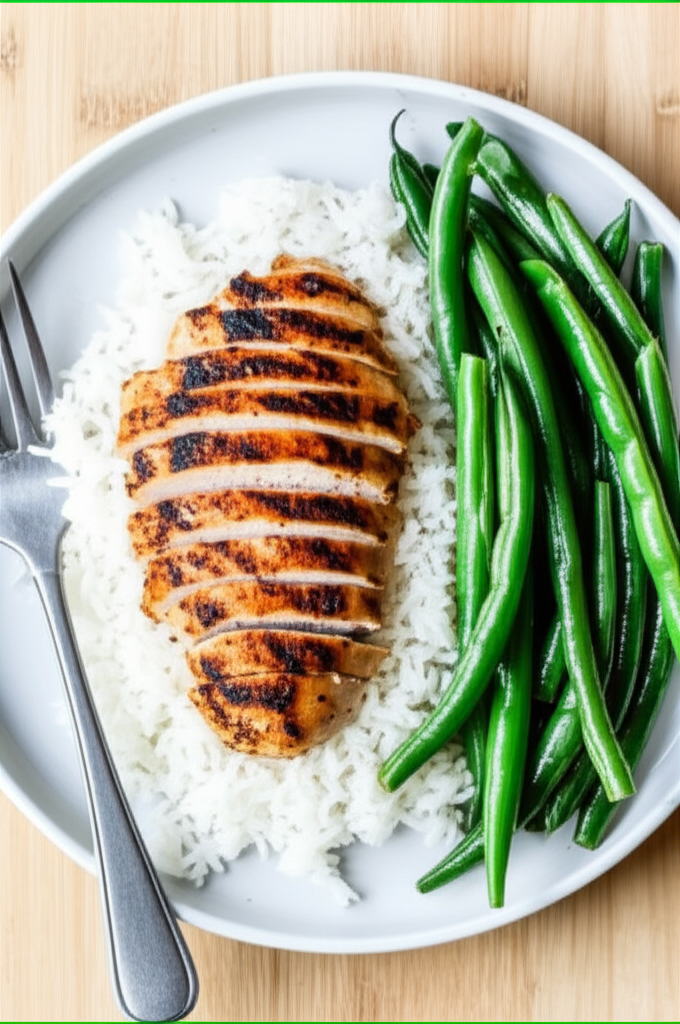
Grocery list (simple, one-week setup)
I like lists that don’t require 14 specialty items from three stores. Therefore, this one sticks to basics. Adjust quantities to your household, and don’t be afraid to repeat favorites.
Proteins
- Chicken breast or thighs (5–7 lbs)
- Extra-lean ground turkey (2–3 lbs)
- Lean beef or pork tenderloin (1–2 lbs)
- Cartons of egg whites (2–4, depending on appetite)
- Dry or low-sodium canned beans/lentils (check salt type)
Carbs
- Oats
- Rice and/or quinoa
- Potatoes + sweet potatoes
- Pasta or lentil pasta (check ingredients)
- Rice cakes / popcorn kernels
Fruits & veg
- Spinach, peppers, onions, broccoli
- Cucumbers, tomatoes, carrots
- Bananas, apples, berries, grapes
- Lemons/limes
Fats & flavor
- Olive oil
- Unsalted nuts + unsalted nut butter
- Non-iodized salt, pepper, garlic powder, cumin, paprika, chili powder
- Vinegar, salsa (label-check), canned tomatoes
Easy swaps (dairy, seafood, iodized salt)
If you’re used to Greek yogurt, tuna, and whey, this can feel annoying at first. However, swaps solve most of it, and you’ll still eat well. Better yet, you won’t feel like you’re living on sad salads.
- Instead of yogurt: fruit + oats, or a chia pudding made with water/allowed non-dairy milk.
- Instead of whey protein: add egg whites on the side, or increase chicken/turkey portions at meals.
- Instead of tuna/salmon: shredded chicken, turkey packets you prep at home, or lean beef.
- Instead of iodized salt: use non-iodized salt plus acids (lemon/lime/vinegar) to make flavors pop.
- Instead of store sauces: mix olive oil + lemon + garlic + herbs. It’s boring-looking, but it tastes legit.
Meal prep tips that actually make this stick
I’ve done the “cook everything on Sunday for 4 hours” thing, and I hated it. Now I do a lighter version that still works. First, cook two proteins. Then, prep two carbs. After that, wash and chop a few veggies. That’s it, and you won’t dread the kitchen.
- Batch cook: 2 sheet pans of chicken + 1 big pot of turkey chili.
- Cook carbs once: a rice pot and a tray of potatoes.
- Make a flavor kit: lemon/lime wedges, chopped cilantro/parsley, and a spice mix jar.
- Portion lunches: 5–6 oz protein + 1 cup cooked carbs + veggies. Repeat.
- Track for 3 days: just to learn portions. Then you can relax.
Also, here’s a number that helps keep expectations sane: the CDC notes that average weight loss in effective programs is typically 1–2 pounds per week. That’s boring, yes, but it’s also realistic. Source: CDC—Healthy Weight, Losing Weight. Meanwhile, a 2024 survey by the Ipsos research team reported that 47% of adults say “healthy eating” feels hard to maintain long-term, which is exactly why simple meal prep can’t be underestimated. Finally, according to a 2024 report from the World Health Organization (WHO), 39% of adults worldwide are overweight, so practical, repeatable routines matter more than perfection.
Video: quick visual ideas for high-protein low-iodine meals
If you’re more of a “show me, don’t tell me” person, this video is a helpful visual break. Meanwhile, keep your label-reading hat on—especially for salt and packaged seasonings. As you watch, you’ll notice how often the best meals are just simple protein + carbs + produce.
Summary: make it simple, keep protein first
This plan works best when you keep meals repetitive and portions consistent. In other words, prioritize chicken/turkey, egg whites, beans, rice/potatoes, and tons of produce. Avoid iodized salt, dairy, seafood, and seaweed. Finally, prep just enough so weekday decisions don’t derail you.
You Might Also Like
