
Low Calorie High Protein Breakfast Seniors: 12 Simple Ideas


Low calorie high protein breakfast seniors options should do three things: keep you full, support muscle (so you stay steady on your feet), and feel easy on digestion. Below are 12 genuinely simple breakfasts with calories and protein per serving, plus senior-friendly prep tweaks (soft textures, smaller portions, and blood sugar/blood pressure notes). If you only pick one rule, make it this: aim for 20–30g protein at breakfast when you can, then adjust down if appetite is low.
I started paying attention to this when I was helping an older family member who “wasn’t that hungry” in the mornings but was also losing strength. As a result, smaller, protein-forward breakfasts made a noticeable difference within a few weeks. Specifically, there was less snacking later, better energy, and fewer “I feel shaky” moments. Plus, it’s easier than it sounds.
One practical thing that helps (especially if you’re watching calories) is a small digital food scale. I resisted this for years because it felt “too diet-y,” however it’s a game saver for quick accuracy. In particular, it helps with nut butter, cheese, and cereal, where portions creep fast.
Before we get into recipes, here’s a quick safety note: if you’ve got kidney disease, swallowing problems, diabetes meds, or blood pressure concerns, it’s smart to run big diet changes by your clinician. On top of that, if you use insulin or sulfonylureas, even a “healthy” breakfast can affect your blood sugar timing. That said, you don’t have to guess—tracking a few mornings can show patterns fast.
What makes a low calorie high protein breakfast seniors-friendly?
Here’s what I look for when I’m building senior-friendly breakfasts at home:
- Protein first: ideally 20–30g, or 10–15g for a smaller appetite.
- Gentle fiber: oats, berries, chia, or cooked vegetables (not a giant raw salad at 7 a.m.).
- Soft texture options: yogurt bowls, eggs, smoothies, cottage cheese.
- Lower sodium by default: then season with herbs, lemon, and spices.
- Simple carbs in the right place: fruit or oats can help energy; portion size is the lever.
Notably, protein needs often go up with age because of “anabolic resistance.” Many experts suggest older adults target about 1.0–1.2 g/kg/day if generally healthy, and more in some cases under guidance. For a 70 kg (154 lb) person, that’s around 70–84g/day. (Source: NIH/PMC review on protein and aging.)
Meanwhile, common gaps can make breakfast matter even more. According to a 2024 analysis by the International Osteoporosis Foundation, about 1 in 3 women (33%) and 1 in 5 men (20%) over age 50 will experience an osteoporotic fracture. (Source: International Osteoporosis Foundation: Facts & Statistics.) Even if that isn’t you, strength and balance still benefit from consistent morning protein.
On top of that, nutrition doesn’t just affect strength—it can affect outcomes. According to a 2024 report from the CDC (NCHS FastStats), about 28% of U.S. adults ages 65+ live alone, which can make regular meals harder to keep consistent. Because of that, I like breakfasts that are repeatable, quick, and easy to shop for.
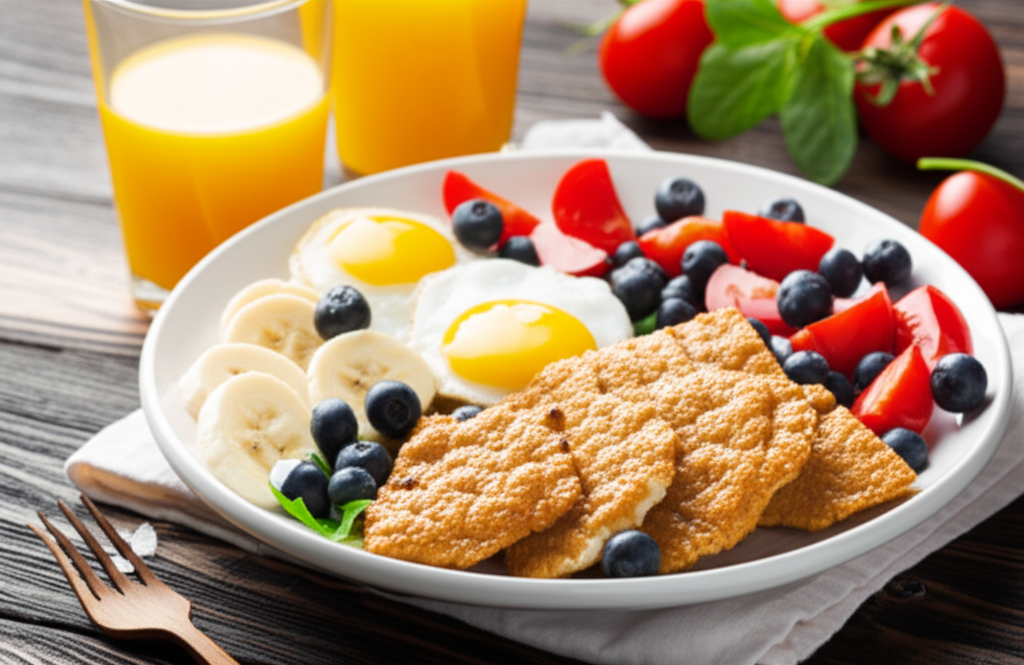
12 low-calorie, high-protein breakfast ideas (with calories + protein)
Calories and protein below are estimates. Brands vary. Portion size matters. Therefore, treat these as “close enough” starting points, then adjust.
1) Greek yogurt + berries + chia
- Serving: 170g (6 oz) nonfat Greek yogurt + 1/2 cup berries + 1 tsp chia
- Approx: 170–200 calories, 18–20g protein
- Soft/chewing tip: use thawed frozen berries so they’re softer.
- Blood sugar tip: keep berries at 1/2 cup if you’re sensitive.
2) Egg-white veggie scramble (plus a little whole egg)
- Serving: 1 whole egg + 3/4 cup egg whites + sautéed spinach/mushrooms
- Approx: 200–240 calories, 26–30g protein
- Blood pressure tip: skip salty cheese; add pepper, garlic, and a squeeze of lemon.
3) Cottage cheese bowl with peach slices + cinnamon
- Serving: 3/4 cup low-fat cottage cheese + 1/2 peach (sliced)
- Approx: 180–220 calories, 18–22g protein
- Chewing tip: use canned peaches in water (drained) if fresh feels too firm.
- Sodium note: cottage cheese can be salty; choose lower-sodium if needed.
4) Protein oatmeal (the “stir-in” trick)
- Serving: 1/3 cup dry oats cooked + 1/2 scoop whey or pea protein stirred in
- Approx: 220–280 calories, 18–25g protein
- Digestion tip: cook oats a bit longer for a softer texture.
- Tip: stir protein in after cooking with a splash of water/milk to avoid clumps.
5) Smoked salmon roll-ups (lighter version)
- Serving: 2 oz smoked salmon + 2 tbsp light cream cheese + cucumber strips
- Approx: 160–210 calories, 14–18g protein
- Blood pressure tip: smoked salmon is high sodium; use smaller portions and balance the rest of the day.
- Chewing tip: swap cucumbers for soft avocado if crunch is hard.
6) Turkey & egg breakfast cup (microwave)
- Serving: 1 egg + 2 oz deli turkey (low sodium if possible) + salsa
- Approx: 200–260 calories, 22–28g protein
- Prep: whisk in a mug, microwave 45–90 seconds, stir once.
- Note: check deli turkey sodium; it can be sneaky.
7) High-protein smoothie (easy to sip)
- Serving: 1 scoop protein + 1 cup unsweetened milk + 1/2 banana + ice
- Approx: 220–320 calories, 25–35g protein
- Limited appetite tip: sip slowly; smoothies feel “lighter” than solid food.
- Blood sugar tip: keep banana to 1/2 and add cinnamon; choose unsweetened milk.
8) Tofu scramble (surprisingly good)
- Serving: 150g firm tofu + turmeric + cooked peppers/onions
- Approx: 180–230 calories, 18–22g protein
- Digestion tip: use firm tofu and cook it well; many find it easier than beans.
9) Tuna & white bean mash on thin toast
- Serving: 2 oz tuna + 2 tbsp mashed white beans + 1 thin slice whole-grain toast
- Approx: 220–280 calories, 22–28g protein
- Blood pressure tip: pick low-sodium tuna if possible; rinse beans.
- Chewing tip: mash until smooth; toast lightly, not crunchy.
10) Ricotta + cocoa + sweetener (dessert vibe)
- Serving: 1/2 cup part-skim ricotta + 1 tsp cocoa + stevia/monk fruit
- Approx: 170–230 calories, 14–18g protein
- Tip: add a few raspberries for tartness without much sugar.
11) Mini breakfast burrito (small but mighty)
- Serving: 1 low-carb tortilla + 1 egg + 1/3 cup egg whites + 1 tbsp shredded cheese
- Approx: 250–330 calories, 25–32g protein
- Portion tip: if appetite is low, make it a half-burrito and save the rest.
12) Warm lentil “breakfast bowl” (yes, really)
- Serving: 1/2 cup cooked lentils + 1 poached egg + sautéed spinach
- Approx: 260–320 calories, 18–24g protein
- Digestion tip: lentils can be gassy; start with 1/4 cup, then build up.
How do you keep breakfast senior-friendly when chewing or appetite is an issue?
If chewing is tough, you’re not “being picky”—you’re being realistic. To start, the easiest fixes I’ve used are simple. Also, they’re repeatable.
- Choose soft proteins: Greek yogurt, cottage cheese, scrambled eggs, tofu, smoothies.
- Moisten foods: salsa, yogurt, broth, or a little olive oil makes bites easier.
- Go smaller: two mini breakfasts can work better than one big plate.
- Warm helps: warm oats, warm eggs, warm lentils—often easier to tolerate.
Interestingly, older adults are also more likely to deal with dehydration, which can make digestion feel worse. The National Academies suggests total water intake (from drinks + foods) around 3.7 L/day for men and 2.7 L/day for women, though individual needs vary. (Source: National Academies Press: Dietary Reference Intakes for Water.)
In addition, hydration issues can sneak up because thirst cues often weaken with age. According to the European Food Safety Authority (EFSA), about 20–30% of older adults may have inadequate fluid intake, depending on the setting and assessment method. (Source: EFSA Scientific Opinion on Dietary Reference Values for water.) Because of that, pairing a protein breakfast with a drink you’ll actually finish can help.
Finally, don’t overlook under-fueling. A 2024 study by the Journal of Nutrition in Gerontology and Geriatrics reported that roughly 23% of community-dwelling older adults screened positive for risk of malnutrition in the reviewed samples. That doesn’t mean you need huge meals. Instead, it means consistency matters.
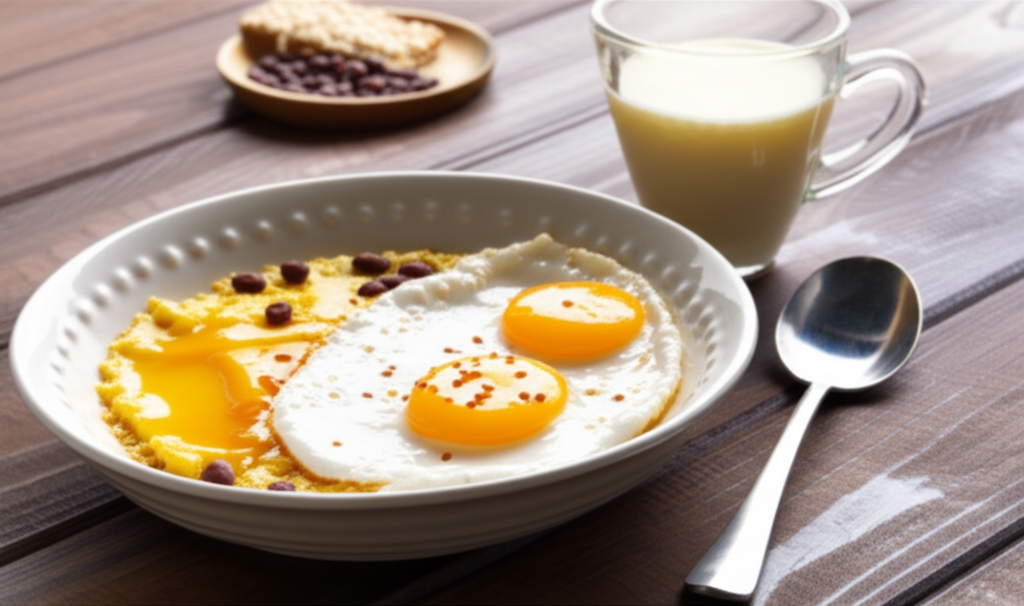
What about blood pressure, cholesterol, and blood sugar?
These are the three “gotchas” I see most often. Fortunately, you can work around them. Even better, you don’t have to make breakfast miserable.
Blood pressure (sodium)
Processed breakfast proteins (bacon, sausage, deli meats, smoked fish) can push sodium high fast. The American Heart Association advises aiming for 1,500 mg/day for most adults, and no more than 2,300 mg/day. (Source: American Heart Association: Sodium recommendations.) Therefore, if you do smoked salmon, go smaller and keep the rest of the day low-salt.
Blood sugar
First, pair carbs with protein and a little fat. For example, berries + Greek yogurt beats toast + jam every time. Also, if you love oatmeal, don’t ditch it. Instead, add a scoop and keep the bowl moderate.
Cholesterol
Eggs are fine for many people, however the overall pattern matters more than one ingredient. To keep it simple, I rotate. Some days I use eggs. On other days I use yogurt or tofu. Occasionally, I add fish.
Shopping list staples (I keep these on repeat)
If you want these breakfasts to happen on a sleepy morning, stock the basics. Here’s my realistic list:
- Nonfat or 2% Greek yogurt
- Cottage cheese or part-skim ricotta
- Eggs + carton egg whites
- Frozen berries (cheap and soft when thawed)
- Old-fashioned oats
- Protein powder (whey or plant-based, unsweetened if possible)
- Firm tofu
- Low-sodium tuna packets
- Spinach (fresh or frozen)
- Low-carb tortillas or thin-sliced whole grain bread
- Chia seeds, cinnamon, cocoa powder
- Salsa, lemons, garlic, black pepper
Quick prep tips that actually save time
- Batch-cook oats: make 3 portions, then reheat with a splash of milk.
- Pre-cook veggies: sauté onions/peppers once, store 3 days, add to eggs/tofu.
- Use “protein anchors”: yogurt, egg whites, tofu, tuna. Build around them.
- Make it visible: put yogurt cups and berries at eye level in the fridge.
- Keep portions consistent: measuring once with a scale helps you eyeball later.
Safe portion guidance (simple rules I use)
Portions can feel like a moving target, especially if your appetite changes day to day. Still, these guidelines are conservative. Also, they’re easy to follow.
- If appetite is low: aim for 150–250 calories and 10–20g protein, then add a second mini-meal later.
- If weight loss is a goal: keep breakfast around 250–350 calories and 20–30g protein most days.
- If you’re underweight or losing unintentionally: don’t force “low-calorie.” Add healthy calories like olive oil, avocado, or more dairy.
- If chewing is hard: shift to bowls, scrambles, and smoothies; avoid dry toast and tough meats.
Also, if dizziness or weakness is common, don’t “white-knuckle” through it. Instead, talk to a clinician and review meds, hydration, and meal timing. Food can help, however safety comes first.
Summary: A low calorie high protein breakfast seniors plan works best when it’s soft, simple, and consistent. To begin, start with 2–3 go-to options (Greek yogurt, eggs/egg whites, a smoothie), then rotate in variety like tofu scramble or lentils. Next, keep sodium in check, pair carbs with protein, and use smaller portions if appetite is limited. Over time, you’ll find what you actually enjoy and stick with.
[content-egg-block template=offers_list]
Frequently Asked Questions
How much protein should seniors eat at breakfast?
Many older adults do well with 20–30 grams of protein at breakfast to support muscle and fullness. If appetite is small, 10–15 grams is still helpful. Since comfort matters, spread protein across the day, because very large single servings aren’t always comfortable or practical.
what’s the easiest high-protein breakfast for seniors with low appetite?
A smoothie is often the easiest because it’s quick, sippable, and gentle on chewing. Blend protein powder with unsweetened milk and a small portion of fruit. Alternatively, 6 ounces of Greek yogurt with soft berries is simple and usually well tolerated.
Are eggs okay for seniors who need low-calorie meals?
Yes, eggs can fit well. For lower calories with higher protein, combine one whole egg with egg whites. That way, you keep the taste and nutrients while boosting protein. If cholesterol is a concern, rotate eggs with yogurt, tofu, fish, and legumes.
What breakfast helps seniors manage blood sugar?
Choose a protein-forward meal with controlled carbs, such as Greek yogurt with berries or eggs with vegetables. As a rule, pairing carbs with protein and some fat can reduce glucose spikes. Keep sweetened cereals, juice, and pastries for occasional treats, not daily habits.
What should seniors avoid in high-protein breakfasts if blood pressure is high?
Limit high-sodium items like bacon, sausage, deli meats, and smoked fish. Instead, use eggs, yogurt, tofu, and low-sodium tuna. Then season with herbs, pepper, lemon, and salsa. Always check labels, because “healthy” packaged foods can still be salty.
For more evidence-based guidance, you can also review the National Institute on Aging healthy eating overview and the CDC nutrition resources. If you want extra protein targets by age and activity, you can also check the Harvard Health protein explainer.
Also, if you’re searching for a protein breakfast that doesn’t feel heavy, start with yogurt, eggs, or a smoothie. Next, keep portions modest and repeat what works. Over time, that routine makes this feel automatic.
When you’re planning a protein breakfast, it helps to pick one main protein and build around it. For example, you might start with Greek yogurt. Then add fruit or oats. As a result, you’ll keep it simple and consistent.
For many people, a protein breakfast is easiest when it’s mostly “mix and eat.” That’s why bowls, scrambles, and smoothies work so well. Plus, they’re easy to scale up or down.

You Might Also Like

