
High Protein Breakfasts (Low Oxalate) for Weight Loss: 10 Easy Ideas


High protein breakfasts that are also low oxalate can make weight loss feel a lot less like punishment. Basically, the goal is simple: build a breakfast that keeps you full (protein + fiber), keeps cravings calmer (steady blood sugar), and avoids the usual high-oxalate “health” staples like spinach, almonds, and oats. Below you’ll get 10 quick breakfast ideas with estimated calories and protein, plus a swap list I actually use when I’m meal-planning.
Quick note from real life: when I first tried to keep oxalates low, breakfast was the hardest. So many default “healthy” breakfasts lean on oats, almond flour, chia, or spinach smoothies. However, once I started thinking in protein-first building blocks (eggs, dairy, lean meats, tofu), it got surprisingly easy.
If you want one tool that quietly helps weight loss, it’s a basic digital food scale. I know it’s not glamorous. Still, it’s the fastest way to learn what “one serving” of cheese or cereal actually looks like. I’ve used a simple Amazon digital food scale for years, especially when I’m testing new recipes.
Before we get into the recipes: if you’re doing low oxalate for kidney stone prevention or a medical reason, double-check your personal “safe list” with a clinician. Oxalate tolerance can be weirdly individual. Also, hydration and sodium matter a lot for stone risk—more on that in the tips.
What are high protein breakfasts (and why they help with weight loss)?
High protein breakfasts are morning meals built around a meaningful protein serving (typically 25–35g for many adults), plus produce and a smart carb or fat portion. Protein helps you feel full longer and can reduce late-morning snacking. What’s more, higher protein diets often support fat loss while preserving lean mass.
In fact, research often finds that protein is more satiating than carbs or fat. For example, general nutrition guidance notes acceptable macronutrient ranges and highlights protein’s role in tissue maintenance and satiety support when calories are controlled (NIH/NCBI).
How do you keep breakfast low oxalate without spinach, almonds, or oats?
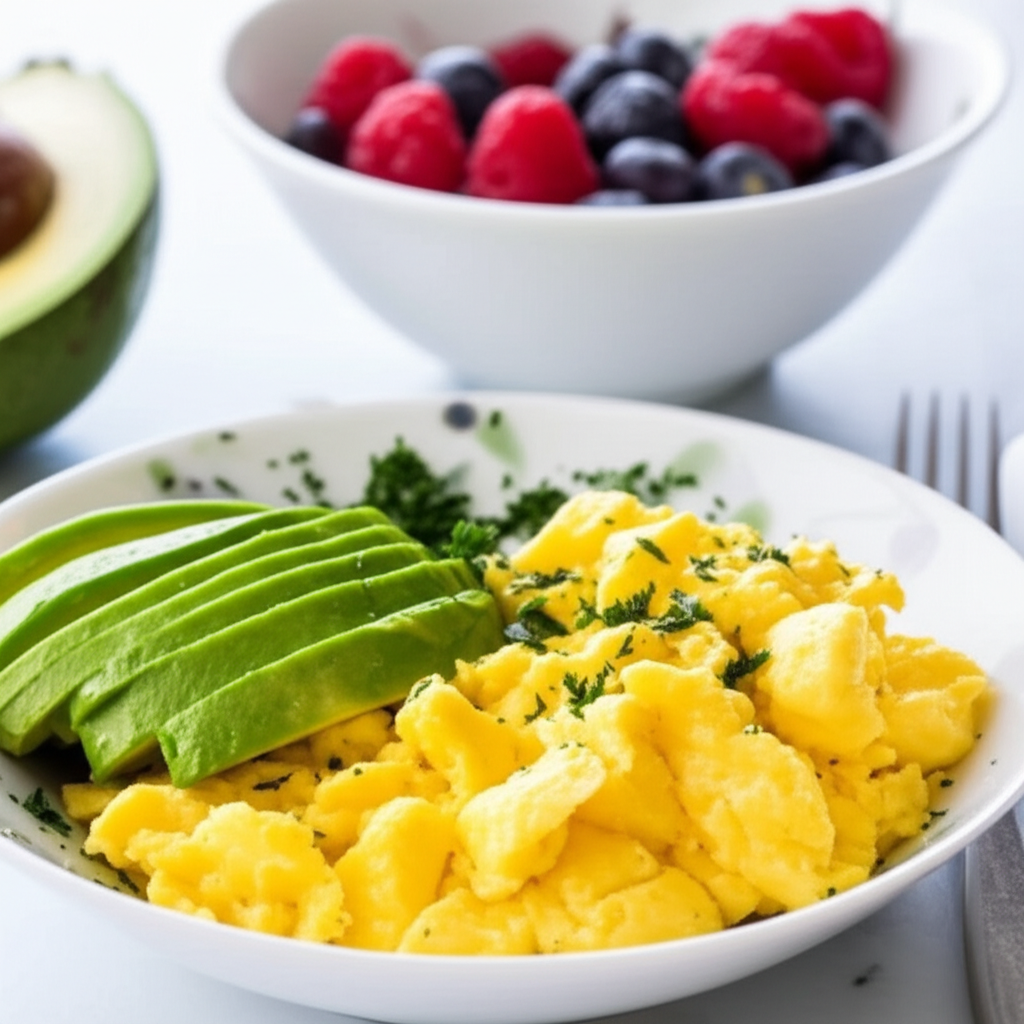
Here’s the trick: stop thinking “breakfast foods” and start thinking “breakfast formats.” For instance, you can do bowls, wraps, scrambles, muffins, or parfaits using low-oxalate ingredients. Meanwhile, you’ll lean on proteins like eggs, Greek yogurt, cottage cheese, turkey, chicken, tofu, and whey or egg-white protein powder.
Also, a calcium source with meals can matter for oxalates. Calcium can bind oxalate in the gut, which may reduce absorption for some people. Therefore, pairing dairy (or calcium-fortified alternatives) with higher-oxalate foods is often discussed in kidney stone nutrition guidance (National Kidney Foundation).
What’s more, you’ll get better results when you rely on verified ingredient lists instead of social media “safe foods.” For a practical reference point, you can cross-check basics with the Linus Pauling Institute (Oregon State University) oxalate overview.
10 quick high-protein low-oxalate breakfast ideas (with calories + protein)
Estimates below assume common portions and standard nutrition databases. As a result, your exact numbers will vary by brand. If you’re tracking for weight loss, I strongly recommend weighing proteins for a week—it’s annoying at first, but it clears up a lot of confusion.
1) Cottage cheese “everything bagel” bowl
What you do: Add 1 cup low-fat cottage cheese, sliced cucumber, cherry tomatoes, and a sprinkle of everything bagel seasoning. Then add 2–3 oz turkey slices on the side.
Estimated: ~330 calories, ~40g protein.
2) Egg + turkey breakfast wrap (no spinach needed)
What you do: Scramble 2 eggs + 2 egg whites. Next, add 2 oz deli turkey. Wrap in a low-carb tortilla (or regular flour tortilla) with shredded lettuce and salsa.
Estimated: ~380–450 calories, ~38–45g protein (depends on tortilla).
3) Greek yogurt parfait (low-oxalate crunch)
What you do: Mix 1 cup plain nonfat Greek yogurt + 1/2 cup blueberries + 1/2 cup crispy rice cereal (or low-sugar puffed rice) for crunch. Then add cinnamon and vanilla.
Estimated: ~320 calories, ~25–30g protein.
4) Smoked salmon + egg plate
What you do: Plate 2 hard-boiled eggs + 2 oz smoked salmon + sliced tomato and cucumber. After that, add a squeeze of lemon and black pepper.
Estimated: ~330 calories, ~26–30g protein.
5) Chicken breakfast hash (quick skillet)
What you do: Sauté 1 cup diced cooked potato (leftovers are perfect) with peppers and onions. Then stir in 3–4 oz cooked chicken breast. Finally, top with a fried egg if you want.
Estimated: ~450–520 calories, ~35–45g protein.
6) High-protein pancake bowl (no oats, no almond flour)
What you do: Mix 1/2 cup cottage cheese, 2 eggs, and 2 tbsp flour (all-purpose works). Blend it, then cook like pancakes. Top with strawberries.
Estimated: ~380 calories, ~28–32g protein.
7) Breakfast “fried rice” with egg whites
What you do: Use leftover white rice (about 3/4 cup cooked). Then stir-fry with peas (small amount), carrots, and 4–6 egg whites. Season with garlic, ginger, and a splash of soy sauce.
Estimated: ~400 calories, ~30–35g protein.
8) Tofu scramble (low-oxalate veggie version)
What you do: Crumble firm tofu (about 200g). Cook it with turmeric, garlic, salt, and chopped mushrooms + zucchini. Then add a side of fruit.
Estimated: ~300–380 calories, ~24–30g protein.
9) “Cheeseburger” breakfast bowl
What you do: Brown 4 oz extra-lean ground beef or turkey. Then serve it over shredded lettuce with pickles, diced tomato, mustard, and a slice of cheese.
Estimated: ~430–520 calories, ~35–45g protein.
10) Protein shake + solid side (my busy-morning combo)
What you do: Blend whey isolate or egg-white protein with milk (or lactose-free milk) and frozen strawberries. Afterward, eat 1 hard-boiled egg or a piece of string cheese.
Estimated: ~300–420 calories, ~35–55g protein (depends on scoop size and milk).
Small reality check: If you’re hungry again 90 minutes later, it’s usually because protein was too low or you skipped volume (produce) entirely. Therefore, add cucumbers, tomatoes, mushrooms, zucchini, or berries—things that don’t quietly spike oxalates like spinach-based meals can.
Low-oxalate food swap list (breakfast edition)
This is the list I wish someone had handed me earlier. In other words, it keeps the vibe of your usual breakfast, but it stops relying on the usual high-oxalate “health foods.”
- Instead of spinach: romaine, iceberg, arugula (check tolerance), mushrooms, zucchini
- Instead of almonds/almond flour: pumpkin seeds (moderation), sunflower seed butter (moderation), coconut flour (use carefully), or just regular flour in small amounts
- Instead of oats: cream of rice, rice cereal, or more eggs/yogurt + fruit
- Instead of chia: ground flax (moderation), gelatin, or simply skip “seed thickeners” and use Greek yogurt for thickness
- Instead of cocoa powder: vanilla, cinnamon, or a little carob (if it fits your plan)
- Instead of sweet potatoes every day: white potatoes, rice, or sourdough toast
Besides swaps, portion size matters. For example, a “little” nut butter can turn into a huge oxalate load fast if you’re heavy-handed. I’ve been there, and it’s easy to do.
How to build a balanced low-oxalate breakfast plate (that actually keeps you full)
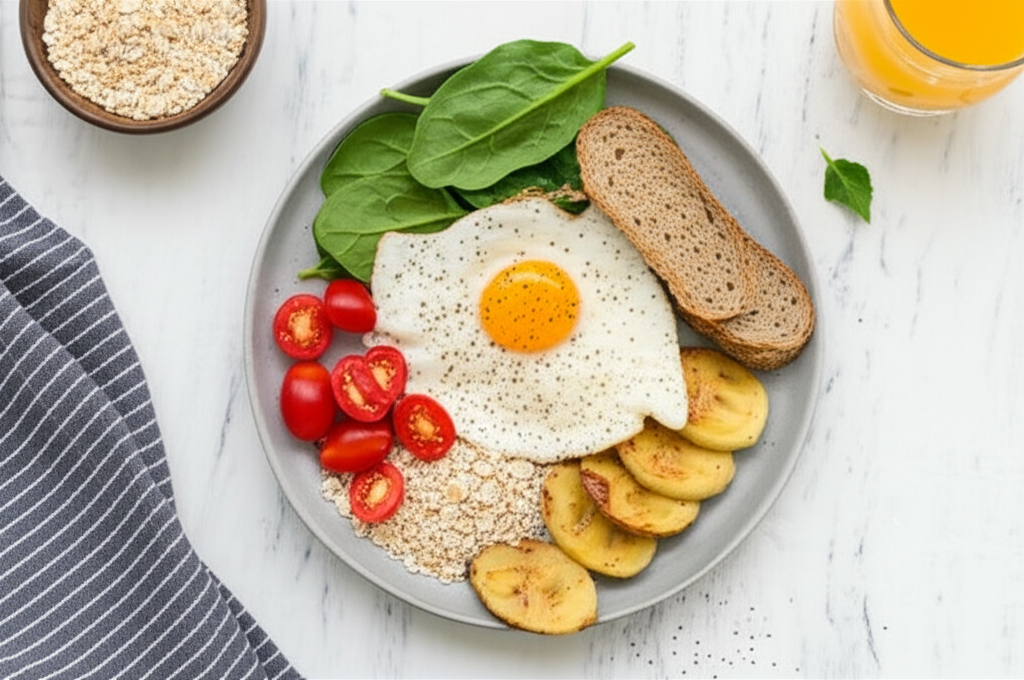
I use a simple template. It’s not fancy. Yet it works.
- Protein: 25–35g (eggs + egg whites, Greek yogurt, cottage cheese, turkey, chicken, tofu, protein powder)
- Produce: 1–2 cups (watery veggies or berries are easiest)
- Carb (optional but helpful): 1/2–1 cup cooked rice/potato or 1 slice toast, especially if you exercise
- Fat: 1–2 tsp oil or 1 oz cheese. Keep it intentional.
Interestingly, a lot of people blame carbs when the real issue is that breakfast is too low in protein, so hunger rebounds. On top of that, if you’re aiming for weight loss, a consistent calorie deficit matters more than “perfect” macro ratios. That said, a breakfast that feels satisfying is the one you’ll actually stick with.
For context, the CDC notes that adult obesity prevalence in the U.S. is over 40% (CDC). Meanwhile, according to a 2024 report by the American Heart Association, about 41.9% of U.S. adults have obesity. So if weight loss feels hard, it’s not a character flaw. It’s common.
Also, according to a 2024 survey by the Institute of Food Technologists, 59% of consumers say protein influences their food choices. In practice, that’s why these ideas focus on protein first: it’s what people actually use to decide what to eat.
My best practical tips (so this doesn’t turn into a fussy diet project)
1) Batch-cook one protein. Make a pound of turkey breakfast patties or bake chicken breast. As a result, breakfast becomes assembly, not cooking.
2) Use “volume veggies” early. Cucumbers, mushrooms, zucchini, and lettuce add a lot of food for very few calories. Therefore, your plate looks big (and your stomach agrees).
3) Watch sodium if kidney stones are part of your story. Higher sodium can increase calcium in urine for some people. The American Heart Association recommends no more than 2,300 mg sodium/day, and ideally 1,500 mg for most adults (American Heart Association). That’s not a low-oxalate rule, but it’s a common “oops” factor.
4) Don’t fear simple carbs at breakfast. If you’re walking, lifting, or chasing kids, a reasonable portion of rice, toast, or potatoes can help adherence. Meanwhile, protein keeps it grounded.
5) Keep one emergency option. Mine is plain Greek yogurt + fruit, or a shake with milk. Because life happens, you’ll want a backup.
That video is worth a watch if you like seeing breakfast ideas in motion. I’m a visual learner, so I tend to steal one or two concepts and then make them fit my own “low oxalate + high protein” rules. Plus, it’s easier than reading a wall of text at 6 a.m.
What I’d do this week (if I were starting from scratch)
First, pick two breakfasts from the list and repeat them. Repetition is underrated. Next, buy one “crunch” item (puffed rice or rice cereal) and one “grab protein” (cottage cheese or Greek yogurt). Then prep a container of chopped cucumbers and tomatoes. That’s it.
Honestly, most people don’t fail because they lack recipes. Instead, they fail because breakfast gets too complicated at 7:12 a.m. on a Tuesday. If you keep it simple, you’ll keep doing it.
If you want more structure than a recipe list, a personalized plan can help—especially if you’re juggling calories, protein targets, and a low-oxalate approach at the same time. I’m picky about plans, but I do like anything that gives you a clear weekly template you can actually follow. If you’ve tried winging it and it didn’t stick, this kind of structure can work better.
[content-egg-block template=offers_list]
Summary
High protein breakfasts don’t have to be oat-based or spinach-heavy to support weight loss. Instead, focus on a real protein portion, add low-oxalate produce for volume, and keep one or two easy carbs around for energy. Then repeat a couple of go-to meals until it feels automatic, and rotate in new ideas as needed.
You Might Also Like

