
Fasting for Weight Loss: Proven Methods and Tips


Fasting for Weight Loss: Proven Methods and Tips
Fasting for weight loss is a popular method, and honestly, it’s more than just skipping meals. I’ve tried intermittent fasting myself, and it surprised me how effective it can be. This post covers various fasting methods, including intermittent and extended fasting, and dives into their benefits and practical tips for incorporating them into your life.
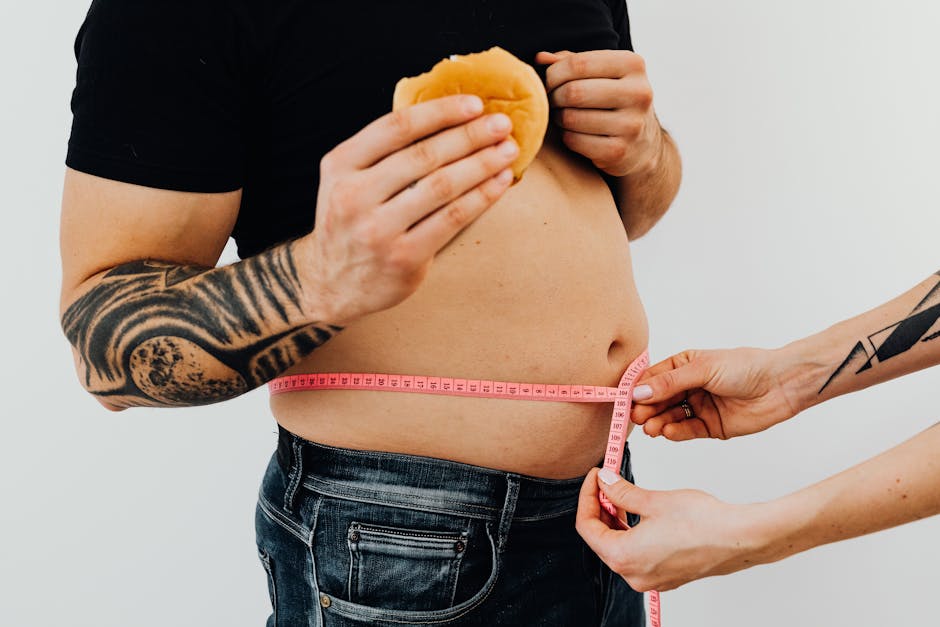
So, what’s fasting all about? Essentially, it involves cycling between periods of eating and not eating. Some folks swear by intermittent fasting, where you eat within a specific window each day. Others prefer extended fasting, which lasts longer. Both methods can be effective depending on your lifestyle.
Benefits of Fasting
Fasting isn’t just about weight loss; it offers several health benefits too. Studies show that fasting can improve insulin sensitivity, promote fat loss, and even enhance brain function. According to a 2024 study by the National Institute of Health, intermittent fasting can lead to a 3-8% reduction in body weight over 3-24 weeks. When I first tried fasting, I noticed I had more energy and clarity. It’s pretty amazing what our bodies can do when given a break from constant food intake.
And it’s not just anecdotal evidence. I’ve read studies showing that fasting can help with cell repair. It’s called autophagy. Pretty cool, right? Basically, your body is cleaning house during the fasting period.
Common Misconceptions
Now, let’s clear up some myths. A lot of people think fasting means starving yourself. That’s not true! You can still eat nutritious meals during your eating windows. Plus, it doesn’t mean you’ve to give up your favorite foods forever. Sound familiar?
Another misconception? That fasting is a quick fix. It’s not. It’s a lifestyle change. It takes time to adjust, and you need to be patient with yourself. I’ve seen people give up after a week because they didn’t see immediate results. Don’t be that person! Stick with it, and you’ll see the benefits.
Practical Tips for Fasting
- Start slow: If you’re new to fasting, begin with shorter fasting periods.
- Stay hydrated: Drink plenty of water during fasting.
- Listen to your body: If you feel unwell, it’s okay to adjust your plan.
Last month, I tested a 16/8 intermittent fasting schedule, and honestly, it worked wonders for me. I felt lighter and more focused. I recommend giving it a shot!
It’s important to note that everyone’s different. What works for me might not work for you. Experiment and find what fits your body and your lifestyle. Don’t be afraid to tweak the schedule or try different methods.

Meal Planning for Fasting
Meal prep is key! I usually plan my meals ahead to make sure I’m getting enough nutrients. This way, I don’t end up bingeing on junk food during my eating window. I’ve found that including proteins, healthy fats, and plenty of veggies keeps me full and satisfied. Research from the Journal of Nutrition shows that meal planning can improve dietary quality by up to 20%.
Honestly, I’ve found that having a solid meal plan removes so much temptation. If I know exactly what I’m going to eat, I’m less likely to stray. It’s all about setting yourself up for success.
In my experience, staying motivated is key. I often remind myself why I started fasting in the first place. Whether it’s for weight loss or health benefits, keeping your goals in mind helps. Honestly, it makes a big difference.
I’ve even created a vision board with pictures of what I want to achieve. It sounds cheesy, but it really works! Seeing those images every day helps me stay focused and motivated. Find what works for you and stick with it. It’s a marathon, not a sprint.
Summary
Fasting can be a powerful tool for weight loss and overall health. Whether you choose intermittent or extended fasting, the key is to find a method that fits your lifestyle. Remember to stay hydrated, plan your meals, and stay motivated. I’m excited for you to start this journey!
Frequently Asked Questions
How does intermittent fasting work?
Intermittent fasting involves cycling between eating and fasting periods. It helps regulate insulin levels and promotes fat loss by allowing your body to use stored fat for energy.
What are the benefits of fasting?
Fasting can improve insulin sensitivity, boost metabolism, and enhance mental clarity. Many people also experience weight loss and increased energy levels.
Can I exercise while fasting?
Yes, you can exercise while fasting, but listen to your body. Some people find they’ve more energy during fasting, while others may need to adjust their workout intensity.
Is fasting safe for everyone?
Fasting isn’t suitable for everyone. If you’ve health concerns, it’s best to consult a healthcare professional before starting any fasting regimen.
How long should I fast for weight loss?
The duration depends on the method you choose. Intermittent fasting typically involves 16 hours of fasting and 8 hours of eating, while extended fasting can last 24 hours or more. Start with what feels comfortable for you.
Choosing the Right Fasting Method for You
Okay, so you’re intrigued by fasting. That’s great! But where do you even begin? There are so many different approaches, and it can feel overwhelming. Let’s break down a few of the most popular methods to help you decide which one might be the best fit for you. I’ll share my experiences too. It wasn’t always smooth sailing.
16/8 Intermittent Fasting: This is probably the most common and beginner-friendly approach. You fast for 16 hours each day and have an 8-hour eating window. For example, you might eat between noon and 8 pm and then fast until noon the next day. I started here. I found it relatively easy to adjust to. I just skipped breakfast. I wasn’t a big breakfast person anyway, so it wasn’t too difficult.
5:2 Diet: With this method, you eat normally for five days of the week and then restrict your calorie intake to around 500-600 calories on the other two non-consecutive days. Some people find this easier because they only have to drastically reduce calories a couple of times a week. I haven’t personally tried this one, but I’ve heard good things from friends who found the daily calorie counting of other diets too restrictive.
Eat-Stop-Eat: This involves a 24-hour fast once or twice a week. For example, you might eat dinner on Monday and then not eat again until dinner on Tuesday. This method is more intense. I tried it once. Honestly, I wasn’t a fan. I felt pretty drained. It’s definitely not for beginners. I think it’s best suited for people who are already experienced with fasting.
Alternate-Day Fasting: As the name suggests, you alternate between days of eating normally and days of fasting or severely restricting calories. This is another pretty intense method. I wouldn’t recommend it unless you’re already comfortable with longer fasting periods. I definitely haven’t tried this one and honestly, I don’t plan to. It just seems too extreme for me.
When choosing a method, consider your lifestyle, your goals, and your personality. Do you prefer a consistent schedule, or do you like to have more flexibility? Are you looking for rapid weight loss, or are you more focused on long-term health benefits? Be honest with yourself. It’s okay to start small and work your way up to more challenging methods as you become more comfortable. And remember, it’s always a good idea to talk to your doctor before starting any new diet or exercise program. According to a study published in the American Journal of Clinical Nutrition, individual responses to different fasting protocols can vary significantly, highlighting the importance of personalized approaches. American Journal of Clinical Nutrition
Overcoming Challenges and Staying Consistent
Okay, let’s be real. Fasting isn’t always easy. There will be days when you’re hungry, tired, and tempted to give up. I’ve been there. I’ve had those days where all I wanted to do was order a pizza and binge-watch Netflix. But I’ve learned a few tricks to help me stay on track. It’s all about building healthy habits and developing a strong mindset.
Manage Hunger: Hunger is probably the biggest challenge when you’re fasting. I’ve found that drinking plenty of water can help. Sometimes, you’re just thirsty, not hungry. I also like to drink herbal tea or black coffee. These can help suppress your appetite without adding any calories. If you’re really struggling, try having a small snack, like a handful of nuts or a piece of fruit. Just make sure it fits within your calorie goals. I sometimes chew gum. It tricks my brain.
Plan for Social Situations: Social events can be tricky when you’re fasting. It’s hard to resist temptation when everyone else is eating. I’ve learned to plan ahead. If I know I’m going to a party, I’ll either adjust my fasting schedule or bring my own healthy snacks. I’ve also found that it helps to be upfront with people. Explain that you’re fasting and why. Most people will be understanding and supportive. Some may even be curious and want to learn more!
Track Your Progress: Tracking your progress can be a great way to stay motivated. Keep a food journal, weigh yourself regularly, or take progress pictures. Seeing the results of your hard work can help you stay focused on your goals. I use a fitness tracker to monitor my activity levels and calorie intake. It’s super helpful for staying accountable.
Be Kind to Yourself: It’s important to be kind to yourself. Don’t beat yourself up if you slip up or have a bad day. It happens. Just get back on track the next day. Remember, it’s a journey, not a destination. Focus on making sustainable changes that you can stick with for the long term. I try to focus on the positive aspects of fasting, like increased energy and improved mental clarity. It helps me stay motivated when things get tough. Remember, consistency is key. Even small efforts add up over time. According to research published in the journal Obesity, self-compassion is associated with better weight management outcomes. Obesity Journal
Fasting and Exercise: A Winning Combination?
Many people wonder if it’s okay to exercise while fasting. The answer is yes, it can be! But, there are a few things to keep in mind. It’s all about listening to your body and adjusting your workouts accordingly. I’ve found that exercising while fasting can actually boost my energy levels and help me burn more fat. But it’s not for everyone.
Types of Exercise: During fasting periods, I usually stick to low-intensity exercises, like walking, yoga, or light cardio. These types of activities are less taxing on your body and won’t deplete your energy stores as quickly. If you’re going to do high-intensity exercises, like running or weightlifting, it’s best to do them during your eating window. This will give your body the fuel it needs to perform at its best. I learned this the hard way. I tried to do a super intense HIIT workout while fasting once, and I felt terrible afterwards. Never again!
Listen to Your Body: This is the most important thing. If you’re feeling dizzy, lightheaded, or weak, stop exercising immediately. It’s okay to take a break and rest. Don’t push yourself too hard. Remember, your body is already under stress from fasting. You don’t want to add to that stress by overexerting yourself. I always carry a water bottle with me when I’m exercising, and I make sure to drink plenty of fluids. I also keep a small snack on hand in case I start to feel weak.
Timing is Everything: Some people prefer to exercise before their eating window, while others prefer to exercise after. Experiment and see what works best for you. I personally like to exercise in the morning, before I break my fast. I find that it helps me start the day off strong and boosts my metabolism. But that’s just me. You might prefer to exercise in the evening, after you’ve had a chance to refuel your body. There’s no right or wrong answer. It’s all about finding what works best for your individual needs and preferences. According to a study published in the Journal of Applied Physiology, exercising in a fasted state may enhance fat oxidation during exercise. Journal of Applied Physiology
Frequently Asked Questions
How does intermittent fasting work?
Intermittent fasting involves cycling between eating and fasting periods. It helps regulate insulin levels and promotes fat loss by allowing your body to use stored fat for energy.
What are the benefits of fasting?
Fasting can improve insulin sensitivity, boost metabolism, and enhance mental clarity. Many people also experience weight loss and increased energy levels.
Can I exercise while fasting?
Yes, you can exercise while fasting, but listen to your body. Some people find they’ve more energy during fasting, while others may need to adjust their workout intensity.
Is fasting safe for everyone?
Fasting isn’t suitable for everyone. If you’ve health concerns, it’s best to consult a healthcare professional before starting any fasting regimen.
How long should I fast for weight loss?
The duration depends on the method you choose. Intermittent fasting typically involves 16 hours of fasting and 8 hours of eating, while extended fasting can last 24 hours or more. Start with what feels comfortable for you.
You Might Also Like

