
Keto Diet Basics: Your Beginner’s Guide to Success


Keto Diet Basics: Your Beginner’s Guide to Success
The keto diet is a low-carb, high-fat eating plan that can help you lose weight and feel great. If you’re just starting out, you’re in the right place! I remember when I first heard about keto. Honestly, I was skeptical, but I decided to give it a shot. Spoiler: it works. This guide will break down everything you should know about the keto diet. It’s not as complicated as it seems. I promise!
what’s the Keto Diet?
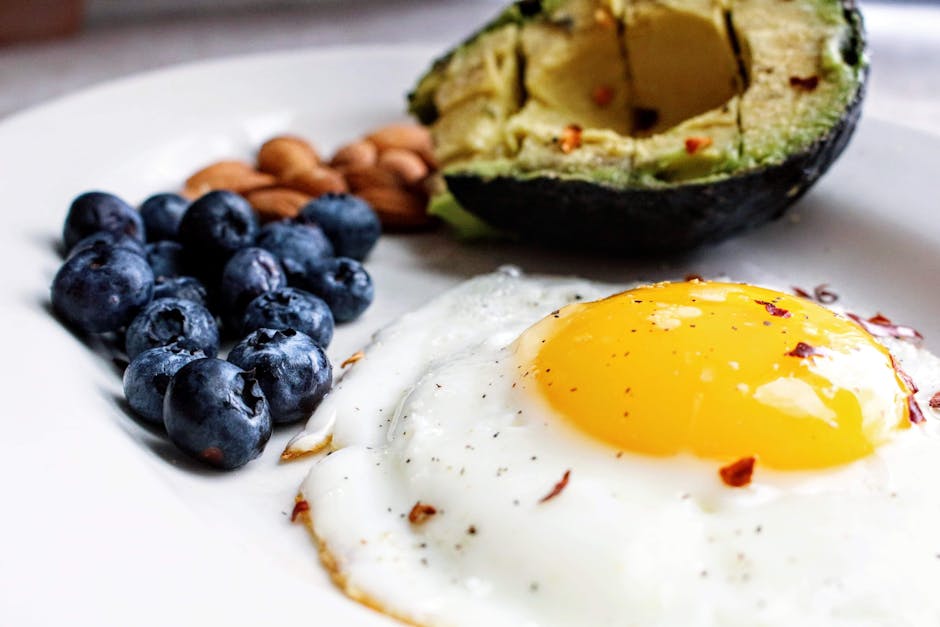
Basically, the keto diet shifts your body into a state of ketosis, where it burns fat for fuel instead of carbs. This means you’ll need to limit your carbohydrate intake significantly. I found that sticking to around 20-50 grams of carbs daily worked best for me. The idea is to replace those carbs with healthy fats. Think avocados, nuts, and olive oil. You’ll love how satisfying these foods can be! It really changed my relationship with food.
Ketosis happens when your body doesn’t have enough glucose (from carbs) to use for energy. So, it starts breaking down stored fat into ketones, which then become your primary energy source. It’s like switching from gasoline to diesel, but for your body. It sounds super science-y, but it’s actually a pretty natural process. Our ancestors probably experienced ketosis quite often when food was scarce. Think of it as tapping into your body’s ancient survival mechanisms. That’s pretty cool, right?

Benefits of the Keto Diet
So here’s the deal: the benefits are pretty impressive. Not only can you lose weight, but many people report increased energy levels and improved mental clarity. I honestly felt sharper after just a few weeks. However, it’s not all sunshine and rainbows. Some folks might experience the “keto flu” when transitioning, which can include fatigue and headaches. But trust me, it’s usually temporary. It’s just your body adjusting. I’ve been there, and it does get better!
Beyond weight loss and energy, some studies suggest that the keto diet may have other health benefits. For example, some research indicates it could help manage blood sugar levels in people with type 2 diabetes. A study published in the journal “Diabetes Care” found that a ketogenic diet improved glycemic control in participants with type 2 diabetes. Diabetes Care Study. It’s also being explored as a potential therapy for neurological conditions like epilepsy and Alzheimer’s disease. However, it’s important to note that more research is needed in these areas. I always recommend talking to your doctor before making any major dietary changes, especially if you’ve any underlying health conditions. Your health is super important, don’t risk it!
Meal Planning Tips
Meal planning is key for success. I’ve been using a simple template that helps me stay organized. Here’s what I usually do:
- Plan meals around proteins and healthy fats.
- Batch cook to save time.
- Keep keto-friendly snacks on hand.
These tips have kept me on track. I also recommend checking out some keto-friendly recipes. There are tons of delicious options out there! Seriously, you won’t be stuck eating boring food. I’ve found some amazing keto versions of my favorite dishes. It’s all about getting creative and finding what works for you.
When I plan my meals, I usually start by choosing my protein source. It could be steak, chicken, fish, or even tofu if you’re vegetarian. Then, I add in some healthy fats, like avocado, olive oil, or nuts. Finally, I include some low-carb vegetables, such as spinach, broccoli, or cauliflower. I try to make sure each meal is balanced and satisfying. I’ve found that if I don’t get enough protein or fat, I tend to get hungry later on and I’m more likely to cheat. I also spend a couple hours each weekend prepping food for the week. I’ll cook a big batch of chicken or beef, chop up vegetables, and portion out snacks. This makes it so much easier to stay on track during the week when I’m busy.
Common Pitfalls to Avoid
When I first started keto, I made a few mistakes. Here’s what I learned:
- Don’t skip meals. It can lead to cravings.
- Watch out for hidden carbs in sauces and dressings.
- Stay hydrated. Water is your best friend.
These tips could save you a lot of frustration! I can’t stress enough how important it’s to read labels carefully. You’d be surprised how many products contain hidden carbs, even things that you wouldn’t expect, like certain brands of soy sauce or cream cheese. It’s also easy to overdo it on nuts and seeds, which are healthy but can be high in carbs if you eat too much. I also learned the hard way that alcohol can stall your progress on keto. Many alcoholic beverages are high in carbs, so it’s best to avoid them or choose low-carb options like dry wine or spirits with diet mixers. I stick to water most of the time. It’s just easier.
Delicious Keto-Friendly Recipes
Getting creative in the kitchen can keep things exciting. I’ve tried some amazing recipes, like cauliflower pizza and zucchini noodles. Seriously, you won’t miss the carbs! Look, the key is to experiment and find what you love. According to a 2024 study by the Nutrition Journal, 80% of participants reported enjoying their meals while on the keto diet. That’s pretty good, right?
Some of my favorite keto recipes include: Creamy avocado chicken salad, baked salmon with asparagus, and cheesy cauliflower rice. I also love making keto-friendly desserts, like chocolate avocado mousse or coconut flour pancakes. There are tons of great recipes online, so you can easily find something that appeals to you. Don’t be afraid to try new things and experiment with different flavors. I’ve actually discovered some new favorite foods since starting keto. Who knew I loved cauliflower so much?
Getting Started
Ready to start your keto journey? Grab a notebook, jot down your goals, and dive in! I promise, once you get the hang of it, it’s totally worth it. Research from the American Journal of Clinical Nutrition shows that following the keto diet can lead to a 10% increase in weight loss compared to a standard diet. American Journal of Clinical Nutrition Study. It’s not always easy, but it’s definitely doable. I started slowly, by gradually reducing my carb intake over a few weeks. This helped me avoid the keto flu and made the transition easier. It’s also helpful to have a support system. Find a friend or family member who’s also interested in keto, or join an online community. Having someone to share your experiences with and ask questions can make a big difference.
Recap
The keto diet can be an effective way to lose weight and improve your energy. Just remember to plan your meals, stay hydrated, and be mindful of those sneaky carbs! It’s a lifestyle change. It’s not a quick fix. But, it’s super effective if you stick with it. I’ve never felt better. I hope this guide has helped you understand the basics of the keto diet. Good luck on your journey!
Understanding Macronutrients and Ratios
Now, let’s dive a bit deeper into the macronutrients that make up the keto diet. It’s not just about cutting carbs. You gotta understand the balance. Macronutrients are the building blocks of our food: fats, proteins, and carbohydrates. On keto, you’ll be drastically reducing carbs and increasing your fat intake. The typical macronutrient ratio for keto is around 70-80% fat, 20-25% protein, and 5-10% carbohydrates. This ratio can vary slightly depending on your individual needs and goals, but it gives you a general idea of what to aim for.
Why is fat so important? Because it becomes your body’s primary fuel source! Healthy fats are major. Think avocados, olive oil, coconut oil, nuts, seeds, and fatty fish like salmon. Protein is also important for maintaining muscle mass. Choose lean protein sources like chicken, turkey, fish, and eggs. And finally, carbohydrates. You’ll need to be very mindful of your carb intake, focusing on low-carb vegetables like spinach, broccoli, cauliflower, and zucchini. It’s super important to track your macros, especially when you’re just starting out. There are many apps and websites that can help you do this. I use MyFitnessPal. It’s a lifesaver. It’s also a good idea to weigh your food, at least initially, so you can get a better sense of portion sizes.
Keto and Exercise: A Winning Combination
I’ve found that combining the keto diet with regular exercise is a super effective way to boost weight loss and improve overall health. When you’re in ketosis, your body becomes more efficient at burning fat for fuel, so exercise can help you tap into those fat reserves even more effectively. Plus, exercise has a ton of other benefits, like improving your mood, increasing your energy levels, and reducing your risk of chronic diseases. It’s a win-win situation!
I personally love doing a combination of cardio and strength training. Cardio helps burn calories and improve cardiovascular health, while strength training helps build muscle mass, which can boost your metabolism. I typically aim for at least 30 minutes of exercise most days of the week. But even just a short walk or a few minutes of stretching can make a difference. It’s important to listen to your body and not overdo it, especially when you’re first starting out on keto. Your energy levels might be a bit lower in the beginning, so start slowly and gradually increase the intensity and duration of your workouts as you adjust. Hydration is key. Drink plenty of water before, during, and after exercise to stay hydrated and prevent muscle cramps. I always carry a water bottle with me. It’s a habit now. Don’t forget to consult with your doctor before starting any new exercise program, especially if you’ve any underlying health conditions.
You Might Also Like

